ASUS ROG Zephyrus G16 (2024, GU605) vs Lenovo IdeaPad Pro 5i 16
ASUS ROG Zephyrus G16 dominates as a premium gaming and content creation machine with its exceptional 240Hz OLED display delivering superior color accuracy and responsiveness compared to Lenovo's 120Hz IPS panel. Powered by the Core Ultra 9 185H with 32GB LPDDR5X RAM, the ASUS handles intensive workloads effortlessly, while the Lenovo settles for the Core Ultra 7 155H with 16GB DDR5—adequate for productivity but noticeably slower. Storage favors ASUS at 1TB versus 512GB. Both share similar port selection and dimensions, though ASUS edges ahead in build quality with its all-aluminum chassis. Lenovo's 11-hour battery claim slightly exceeds ASUS's 10 hours, though the OLED panel's efficiency is noteworthy. At $999, Lenovo offers solid value for casual users and everyday computing. However, the ASUS at $1999 justifies its premium through superior display technology, stronger performance, and professional-grade components. Recommend ASUS for creators and gamers; Lenovo for budget-conscious professionals.

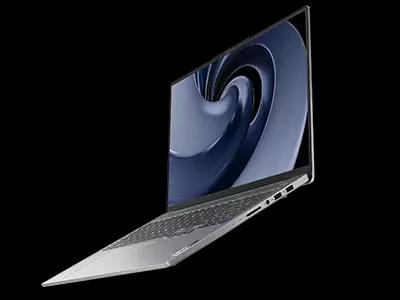
Full Specifications
| Spec | ASUS ROG Zephyrus G16 (2024, GU605) | Lenovo IdeaPad Pro 5i 16 |
|---|---|---|
| Software | Windows 11 Home | Windows 11 Home |
| Body | ||
| Weight | 1.85 kg | 1.98 kg |
| Material | CNC aluminum | Aluminum lid with plastic base |
| Dimensions | 354 x 246 x 16.4 mm | 356.2 x 248.2 x 18.9 mm |
| Ports | ||
| HDMI | 1 | 1 |
| USB-A ports | 2 | 2 |
| USB-C ports | 1 | 1 |
| SD card | ||
| Thunderbolt ports | 1 | 1 |
| Battery | ||
| Battery life | Up to 10 hours | Up to 11 hours mixed use |
| Capacity | 90 Wh | 84 Wh |
| Display | ||
| Size | 16 inches | 16.0 inches |
| Type | OLED ROG Nebula, 16:10 | 2.5K IPS anti-glare |
| Resolution | 2560 x 1600 | 2560 x 1600 |
| Refresh rate | 240Hz | 120Hz |
| Brightness (nits) | 500 | 350 |
| Storage | ||
| SSD | 1 TB PCIe 4.0 NVMe | 512 GB NVMe |
| Expandable storage | ||
| Keyboard | ||
| Backlit | ||
| Touch Bar | — | |
| Processor | ||
| RAM | 32 GB LPDDR5X | 16 GB DDR5 |
| Cores | 16 cores (6P+8E+2LPE) | 16-core (6P+8E+2LPE) |
| Chipset | Intel Core Ultra 9 185H | Intel Core Ultra 7 155H |
Category Scores
Pros & Cons
ASUS ROG Zephyrus G16 (2024, GU605)
Pros
- Gorgeous 240Hz OLED display with deep blacks
- Sleek, thin chassis for a 16-inch gaming laptop
- Powerful RTX 40-series GPU options
- Premium CNC aluminum build quality
- MUX Switch and Advanced Optimus support
Cons
- Expensive base configuration
- Battery life modest under load
- Soldered RAM limits future upgrades
- Runs warm under sustained gaming loads
Lenovo IdeaPad Pro 5i 16
Pros
- Strong Intel Core Ultra 7 performance at an accessible price
- 2.5K 120Hz IPS display is excellent for the tier
- Full port suite including SD card and USB-A
- Upgradeable RAM and SSD
- 84 Wh battery supports all-day use
Cons
- Plastic base panel feels less premium
- Display brightness of 350 nits is modest
- No discrete GPU on base model
- Fans audible under sustained workloads
- Heavier than comparable ultrabooks
Related Comparisons
- Lenovo IdeaPad Pro 5i 16 vs Acer Predator Helios Neo 16 (PHN16-72, 2024)
- ASUS ROG Zephyrus G16 (2024, GU605) vs Acer Aspire 5 (2024)
- Lenovo IdeaPad Pro 5i 16 vs Acer Aspire 5 (2024)
- ASUS ROG Zephyrus G16 (2024, GU605) vs Acer Nitro V 15
- Lenovo IdeaPad Pro 5i 16 vs Acer Nitro V 15
- ASUS ROG Zephyrus G16 (2024, GU605) vs ASUS ROG Strix G16 (2024)
Explore more in laptops, see all ASUS products or all Lenovo products. View full details for the ASUS ROG Zephyrus G16 (2024, GU605) or the Lenovo IdeaPad Pro 5i 16.