ASUS ROG Strix G16 (2024) vs Lenovo ThinkPad X1 Carbon Gen 13
The Verdict
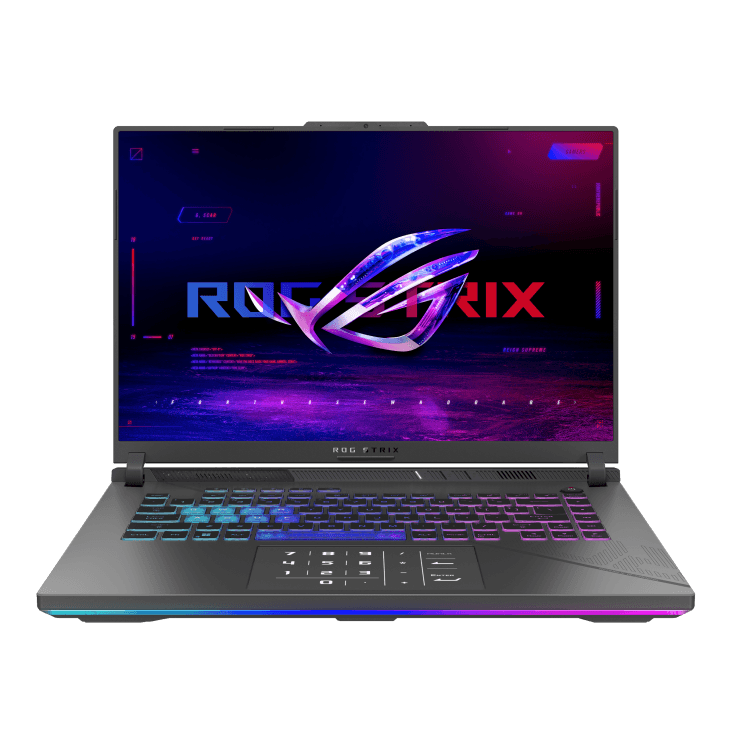
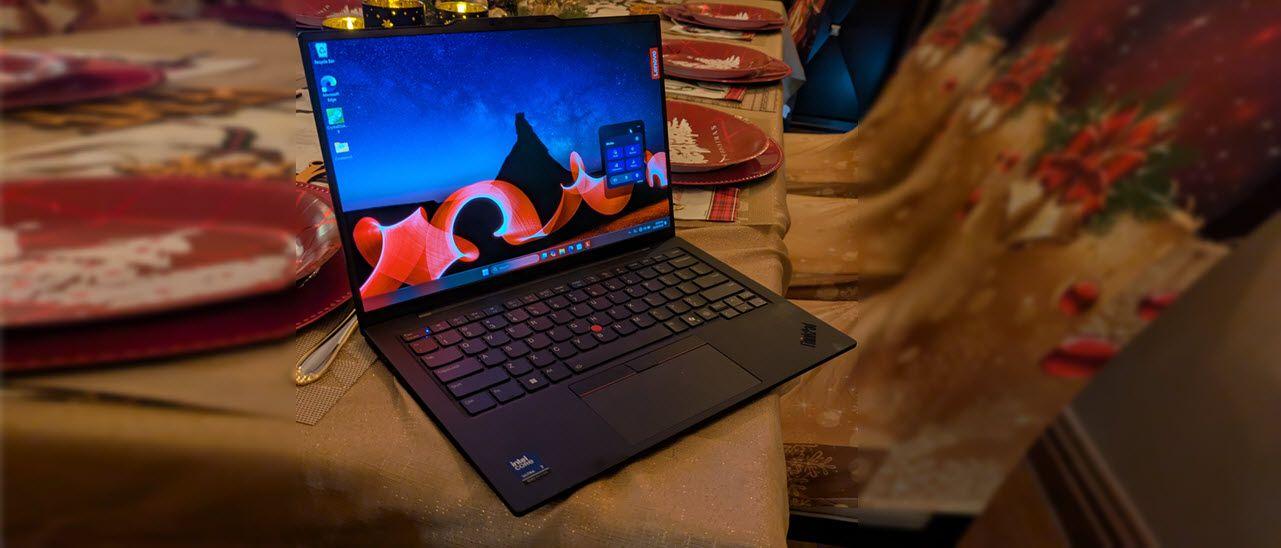
ASUS ROG Strix G16 and Lenovo ThinkPad X1 Carbon Gen 13 serve distinctly different purposes. ROG Strix prioritizes gaming and creative workloads with its 16-inch 2560x1600 240Hz display, Intel Core i9-14900HX (24 cores), and robust 90Wh battery—ideal for content creators and competitive gamers willing to sacrifice portability. ThinkPad X1 Carbon Gen 13 excels as a business ultrabook, weighing just 2.48 lbs with carbon fiber construction, delivering exceptional 15-hour battery life and Windows 11 Pro for enterprise users. Display brightness favors ROG (500 nits vs 400), while ThinkPad offers superior portability and productivity longevity. Storage defaults to 1TB versus 512GB. For gaming, streaming, or video editing, ROG Strix dominates; for business travel and all-day productivity, ThinkPad X1 Carbon wins convincingly. Choose ROG for performance-intensive tasks, ThinkPad for mobile professionals.
Who Should Buy
Buy the ASUS ROG Strix G16 (2024) if…
- →RTX 4070 Laptop GPU handles 1440p gaming at high settings
- →240Hz 2.5K display is incredibly smooth for competitive gaming
- →90 Wh battery is large for a gaming laptop
Buy the Lenovo ThinkPad X1 Carbon Gen 13 if…
- →Intel Core Ultra 7 with NPU for on-device AI processing
- →Under 2.5 lbs — one of the lightest 14-inch business laptops
- →ThinkPad keyboard remains the gold standard for typing
Category Scores
Pros & Cons
ASUS ROG Strix G16 (2024)
Pros
- RTX 4070 Laptop GPU handles 1440p gaming at high settings
- 240Hz 2.5K display is incredibly smooth for competitive gaming
- 90 Wh battery is large for a gaming laptop
- Excellent thermal design with liquid metal compound
- 1 TB SSD with a second expandable slot
Cons
- Heavy and thick — not a portable daily driver
- No webcam — requires an external camera
- Fan noise under load is significant
- Battery life is short under gaming loads
Lenovo ThinkPad X1 Carbon Gen 13
Pros
- Intel Core Ultra 7 with NPU for on-device AI processing
- Under 2.5 lbs — one of the lightest 14-inch business laptops
- ThinkPad keyboard remains the gold standard for typing
- MIL-STD-810H durability tested for enterprise reliability
- Built-in HDMI port eliminates the need for dongles
Cons
- FHD+ base display is disappointing at $1,449
- LPDDR5X RAM is soldered — not user-upgradeable
- No SD card reader for photographers
- Intel Core Ultra efficiency modes can occasionally stutter
Full Specifications
| Spec | ASUS ROG Strix G16 (2024) | Lenovo ThinkPad X1 Carbon Gen 13 |
|---|---|---|
| Software | Windows 11 Home | Windows 11 Pro |
| Body | ||
| Weight | 5.29 lbs (2.4 kg) | 2.48 lbs (1.12 kg) |
| Material | Aluminum and plastic | Carbon fiber and magnesium |
| Dimensions | 13.94 x 10.35 x 0.92 inches | 12.4 x 8.76 x 0.59 inches |
| Ports | ||
| HDMI | ||
| USB-A ports | 2 | — |
| USB-C ports | 2 | 2 |
| SD card | ||
| Thunderbolt ports | — | 2 |
| Battery | ||
| Battery life | Up to 6 hours | Up to 15 hours |
| Capacity | 90 Wh | 57 Wh |
| Display | ||
| Size | 16 inches | 14 inches |
| Type | IPS | IPS anti-glare |
| Resolution | 2560 x 1600 | 1920 x 1200 |
| Refresh rate | 240Hz | 60Hz |
| Brightness (nits) | 500 | 400 |
| Storage | ||
| SSD | 1 TB PCIe Gen 4 NVMe | 512 GB PCIe Gen 4 NVMe |
| Expandable storage | ||
| Keyboard | ||
| Backlit | ||
| Processor | ||
| RAM | 16 GB DDR5 | 16 GB |
| Cores | 24 cores (8P + 16E) | 8 cores (4P + 4E) |
| Chipset | Intel Core i9-14900HX | Intel Core Ultra 7 265V |
Related Comparisons
- Lenovo ThinkPad X1 Carbon Gen 13 vs Samsung Galaxy Book3 Ultra
- Lenovo ThinkPad X1 Carbon Gen 13 vs Razer Blade Stealth 13
- Lenovo ThinkPad X1 Carbon Gen 13 vs Razer Blade 18
- Lenovo ThinkPad X1 Carbon Gen 13 vs MSI Prestige 16 Evo
- Lenovo ThinkPad X1 Carbon Gen 13 vs MSI Katana 15
- Lenovo ThinkPad X1 Carbon Gen 13 vs MSI GE76 Raider
This comparison is based on verified manufacturer specifications covering display, performance, camera, battery, and build quality. Scores are generated by analyzing specs across weighted categories on a 10-point scale. Learn more about our methodology.
Explore more in laptops, see all ASUS products or all Lenovo products. View full details for the ASUS ROG Strix G16 (2024) or the Lenovo ThinkPad X1 Carbon Gen 13.