ASUS ROG Strix G16 (2024) vs Dell XPS 15 (2024)
Updated Apr 2026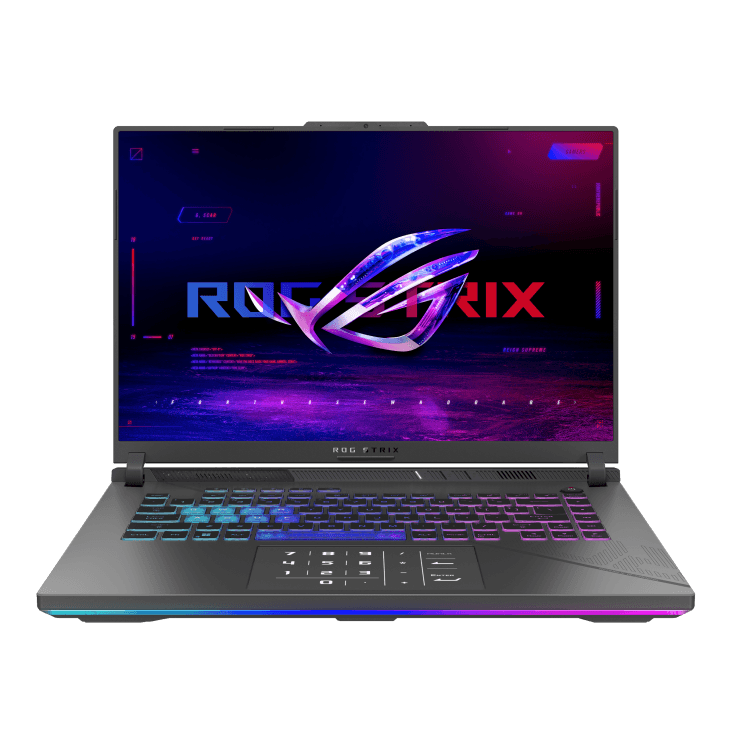
The Verdict
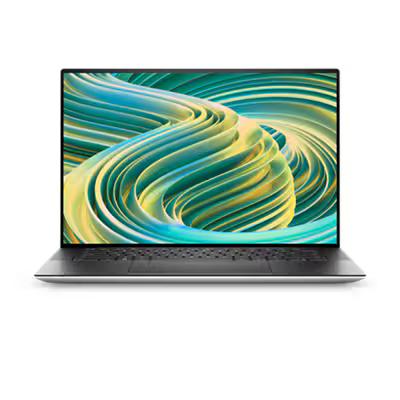
ASUS ROG Strix G16 targets gaming enthusiasts with its Intel Core i9-14900HX, 240Hz display, and superior refresh rate, delivering exceptional performance for competitive gaming and demanding applications. Dell XPS 15 prioritizes productivity and everyday use with its stunning 3456x2160 OLED touchscreen, superior battery life (13 hours vs 6 hours), and includes 32GB RAM standard versus the ROG's 16GB. Portability slightly favors Dell at 1.86kg, though both weigh under 5.5lbs. Storage-wise, XPS 15 starts at 512GB while ROG includes 1TB. For gaming and high-refresh visuals, ROG Strix G16 excels; for professionals prioritizing display quality, battery endurance, and everyday versatility, XPS 15 is the smarter choice. At nearly identical pricing, your use case matters most.
Category Scores
Pros & Cons
ASUS ROG Strix G16 (2024)
Pros
- RTX 4070 Laptop GPU handles 1440p gaming at high settings
- 240Hz 2.5K display is incredibly smooth for competitive gaming
- 90 Wh battery is large for a gaming laptop
- Excellent thermal design with liquid metal compound
- 1 TB SSD with a second expandable slot
Cons
- Heavy and thick — not a portable daily driver
- No webcam — requires an external camera
- Fan noise under load is significant
- Battery life is short under gaming loads
Dell XPS 15 (2024)
Pros
- Gorgeous 3.5K OLED touchscreen with vivid colors
- 32 GB RAM standard at this price tier
- Premium CNC aluminum chassis
- Includes USB-A and HDMI alongside Thunderbolt
- Upgradeable SSD and memory
Cons
- OLED display can exhibit burn-in over time
- Base model ships with integrated Iris Xe graphics only
- Battery drains faster with OLED on
- Runs warm under sustained load
- Fan noise noticeable during CPU-heavy tasks
Full Specifications
| Spec | ASUS ROG Strix G16 (2024) | Dell XPS 15 (2024) |
|---|---|---|
| Software | Windows 11 Home | Windows 11 Home |
| Body | ||
| Weight | 5.29 lbs (2.4 kg) | 1.86 kg |
| Material | Aluminum and plastic | CNC machined aluminum |
| Dimensions | 13.94 x 10.35 x 0.92 inches | 344.4 x 230.1 x 18.0 mm |
| Ports | ||
| HDMI | 1 | |
| USB-A ports | 2 | 1 |
| USB-C ports | 2 | — |
| SD card | ||
| Thunderbolt ports | — | 2 |
| Battery | ||
| Battery life | Up to 6 hours | Up to 13 hours mixed use |
| Capacity | 90 Wh | 86 Wh |
| Display | ||
| Size | 16 inches | 15.6 inches |
| Type | IPS | OLED touch |
| Resolution | 2560 x 1600 | 3456 x 2160 |
| Refresh rate | 240Hz | 60Hz |
| Brightness (nits) | 500 | 400 |
| Storage | ||
| SSD | 1 TB PCIe Gen 4 NVMe | 512 GB NVMe |
| Expandable storage | ||
| Keyboard | ||
| Backlit | ||
| Touch Bar | — | |
| Processor | ||
| RAM | 16 GB DDR5 | 32 GB LPDDR5x |
| Cores | 24 cores (8P + 16E) | 16-core (6P+8E+2LPE) |
| Chipset | Intel Core i9-14900HX | Intel Core Ultra 7 155H |
Related Comparisons
This comparison is based on verified manufacturer specifications covering display, performance, camera, battery, and build quality. Scores are generated by analyzing specs across weighted categories on a 10-point scale. Learn more about our methodology.
Explore more in laptops, see all ASUS products or all Dell products. View full details for the ASUS ROG Strix G16 (2024) or the Dell XPS 15 (2024).