ASUS ROG Strix G16 (2024) vs Dell XPS 13 (2025)
The Verdict
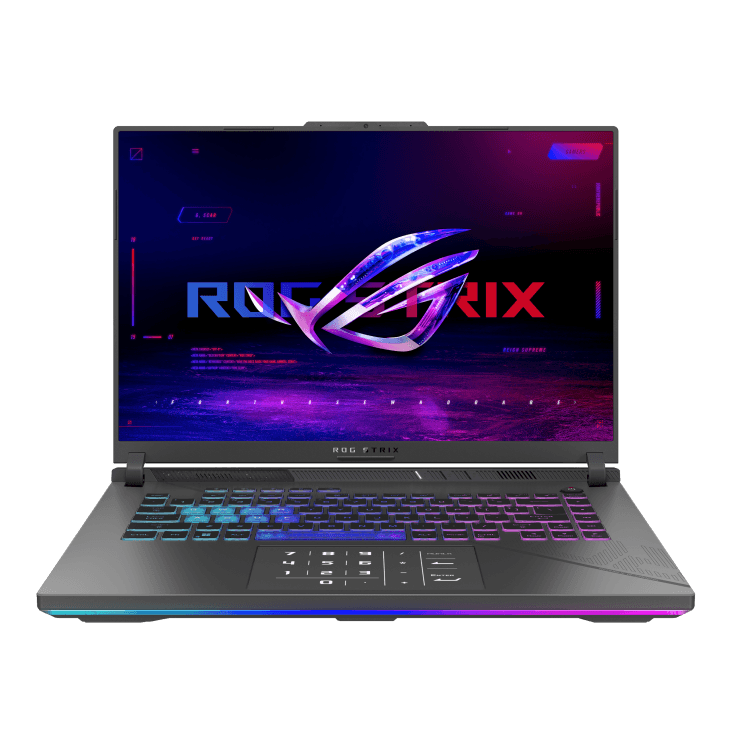
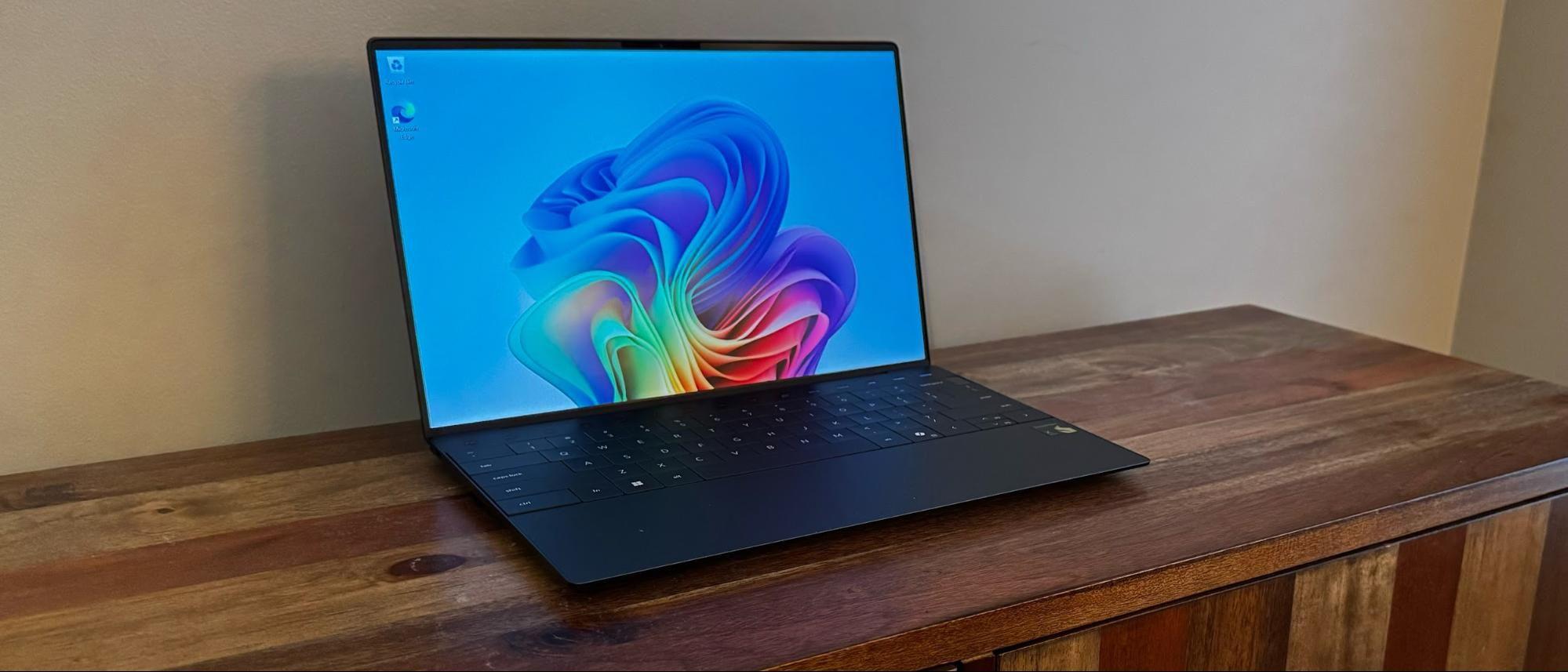
Both laptops excel in different roles. ASUS ROG Strix G16 dominates gaming and demanding workloads with its Intel Core i9-14900HX (24 cores), 240Hz 500-nit display, and robust cooling for sustained performance. Dell XPS 13 prioritizes portability and everyday productivity, weighing just 2.6 lbs versus 5.29 lbs, featuring an OLED display with superior color accuracy, and delivering exceptional 14-hour battery life. Storage proves limiting on the XPS with only 512GB versus 1TB on ASUS. For content creators needing GPU acceleration or gamers, the ROG Strix's performance advantage justifies its higher price and weight. However, frequent travelers and productivity-focused users will appreciate XPS 13's ultraportability, longer endurance, and premium design at $300 less. Choose ASUS ROG Strix G16 for gaming/professional work; select Dell XPS 13 for mobile professionals prioritizing battery life.
Who Should Buy
Buy the ASUS ROG Strix G16 (2024) if…
- →RTX 4070 Laptop GPU handles 1440p gaming at high settings
- →240Hz 2.5K display is incredibly smooth for competitive gaming
- →90 Wh battery is large for a gaming laptop
Buy the Dell XPS 13 (2025) if…
- →13.4-inch OLED display with perfect blacks and vivid color
- →Intel Core Ultra 7 with NPU for Copilot+ features
- →Incredibly light at 2.6 lbs in a premium aluminum body
Category Scores
Pros & Cons
ASUS ROG Strix G16 (2024)
Pros
- RTX 4070 Laptop GPU handles 1440p gaming at high settings
- 240Hz 2.5K display is incredibly smooth for competitive gaming
- 90 Wh battery is large for a gaming laptop
- Excellent thermal design with liquid metal compound
- 1 TB SSD with a second expandable slot
Cons
- Heavy and thick — not a portable daily driver
- No webcam — requires an external camera
- Fan noise under load is significant
- Battery life is short under gaming loads
Dell XPS 13 (2025)
Pros
- 13.4-inch OLED display with perfect blacks and vivid color
- Intel Core Ultra 7 with NPU for Copilot+ features
- Incredibly light at 2.6 lbs in a premium aluminum body
- Two Thunderbolt 4 ports for high-speed peripherals
- Near-borderless InfinityEdge display maximizes screen-to-body ratio
Cons
- Only two USB-C ports — no USB-A, HDMI, or SD card slot
- 60Hz OLED limits smooth scrolling
- Keyboard has controversial zero-travel function row
- Fan noise is noticeable under sustained load
Full Specifications
| Spec | ASUS ROG Strix G16 (2024) | Dell XPS 13 (2025) |
|---|---|---|
| Software | Windows 11 Home | Windows 11 |
| Body | ||
| Weight | 5.29 lbs (2.4 kg) | 2.6 lbs (1.17 kg) |
| Material | Aluminum and plastic | Aluminum and woven glass fiber |
| Dimensions | 13.94 x 10.35 x 0.92 inches | 11.63 x 7.84 x 0.57 inches |
| Ports | ||
| HDMI | — | |
| USB-A ports | 2 | — |
| USB-C ports | 2 | 2 |
| SD card | — | |
| Thunderbolt ports | — | 2 |
| Battery | ||
| Battery life | Up to 6 hours | Up to 14 hours |
| Capacity | 90 Wh | 55 Wh |
| Display | ||
| Size | 16 inches | 13.4 inches |
| Type | IPS | OLED |
| Resolution | 2560 x 1600 | 2560 x 1600 |
| Refresh rate | 240Hz | 60Hz |
| Brightness (nits) | 500 | 400 |
| Storage | ||
| SSD | 1 TB PCIe Gen 4 NVMe | 512 GB PCIe Gen 4 NVMe |
| Expandable storage | ||
| Keyboard | ||
| Backlit | ||
| Processor | ||
| RAM | 16 GB DDR5 | 16 GB LPDDR5X |
| Cores | 24 cores (8P + 16E) | 8 cores (4P + 4E) |
| Chipset | Intel Core i9-14900HX | Intel Core Ultra 7 265V |
Related Comparisons
This comparison is based on verified manufacturer specifications covering display, performance, camera, battery, and build quality. Scores are generated by analyzing specs across weighted categories on a 10-point scale. Learn more about our methodology.
Explore more in laptops, see all ASUS products or all Dell products. View full details for the ASUS ROG Strix G16 (2024) or the Dell XPS 13 (2025).