ASUS ROG Ally vs Lenovo IdeaPad Gaming 3

The Verdict
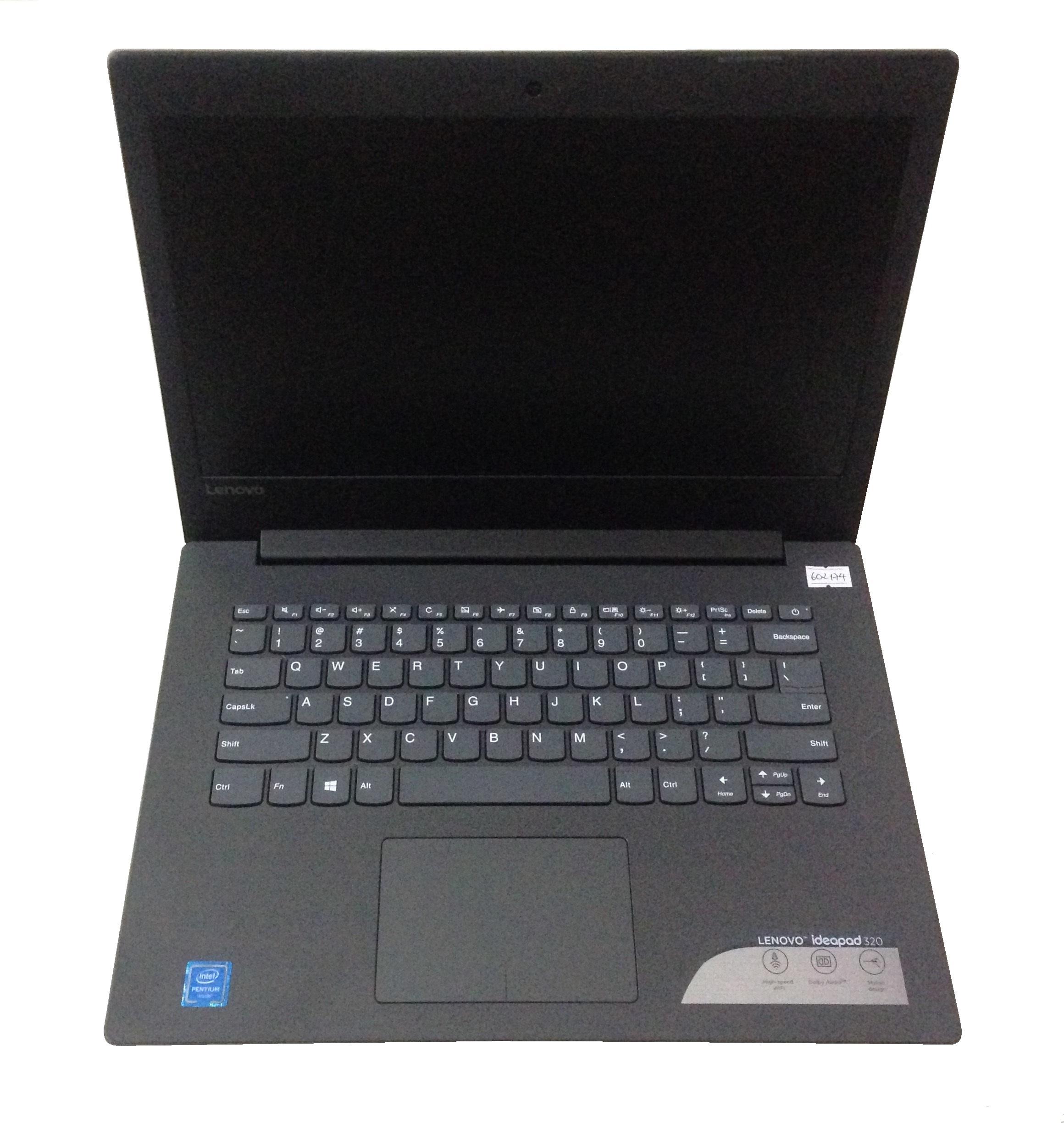
Choosing between these laptops requires understanding your primary use case. ASUS ROG Ally is a portable gaming handheld with a 7-inch display, AMD Ryzen Z1 Extreme processor, 16GB RAM, and 512GB storage, delivering robust performance for on-the-go gaming with 120Hz refresh rate and 500-nit brightness. Lenovo IdeaPad Gaming 3 is a traditional 15.6-inch laptop featuring AMD Ryzen 5 7535HS, 8GB DDR5 RAM, and 256GB storage, offering better desktop ergonomics and connectivity (HDMI, dual USB-A) with a larger screen but lower brightness at 250 nits. Battery life varies significantly: the Ally manages 1.5-7 hours depending on game intensity, while the IdeaPad provides more consistent 6-hour sessions. For portable indie and retro gaming with emulation capabilities, the Ally excels. For traditional laptop work, gaming at home, and expandable productivity, the IdeaPad wins. Consider the Ally if mobility and handheld gaming matter most; choose the IdeaPad for traditional computing with gaming capability.
Who Should Buy
Buy the ASUS ROG Ally if…
- →Ryzen Z1 Extreme with RDNA 3 GPU outperforms Steam Deck in raw power
- →Full 1080p IPS display at 120Hz for sharper and smoother gaming
- →Windows 11 gives access to all PC game stores and launchers
Buy the Lenovo IdeaPad Gaming 3 if…
- →RTX 4050 at $799 is excellent value for entry-level gaming
- →120Hz display is a noticeable upgrade over 60Hz
- →Upgradeable RAM and storage via accessible panels
Category Scores
Pros & Cons
ASUS ROG Ally
Pros
- Ryzen Z1 Extreme with RDNA 3 GPU outperforms Steam Deck in raw power
- Full 1080p IPS display at 120Hz for sharper and smoother gaming
- Windows 11 gives access to all PC game stores and launchers
- Lighter at 608 g compared to the Steam Deck
- MicroSD expansion for extra game storage
Cons
- 40 Wh battery provides very poor endurance — as low as 1.5 hours
- Windows 11 is not optimized for handheld — requires workarounds
- Only one USB-C port limits simultaneous charging and peripherals
- No OLED — IPS LCD has weaker contrast and no true blacks
- Fan noise is loud under heavy gaming loads
Lenovo IdeaPad Gaming 3
Pros
- RTX 4050 at $799 is excellent value for entry-level gaming
- 120Hz display is a noticeable upgrade over 60Hz
- Upgradeable RAM and storage via accessible panels
- Ryzen 5 7535HS handles both gaming and schoolwork
- Decent thermals for a budget chassis with dual-fan cooling
Cons
- 250-nit display is too dim for well-lit rooms
- 8 GB base RAM needs upgrading for modern games
- 256 GB SSD fills up fast — plan to add a second drive
- All-plastic build feels flimsy and creaks
- Speaker quality is poor — headphones are recommended
Full Specifications
| Spec | ASUS ROG Ally | Lenovo IdeaPad Gaming 3 |
|---|---|---|
| Software | Windows 11 | Windows 11 Home |
| Body | ||
| Weight | 608 g | 5.07 lbs (2.3 kg) |
| Material | Plastic chassis | Plastic |
| Dimensions | 280.0 x 111.4 x 32.4 mm | 14.19 x 10.14 x 0.91 inches |
| Ports | ||
| USB-C ports | 1 | 1 |
| Microsd | — | |
| Headphone Jack | — | |
| HDMI | — | |
| USB-A ports | — | 2 |
| SD card | — | |
| Memory | ||
| Storage options | 512 GB PCIe Gen 4 NVMe SSD | — |
| Battery | ||
| Battery life | 1.5-7 hours (game dependent) | Up to 6 hours |
| Capacity | 40 Wh | 60 Wh |
| Display | ||
| Size | 7 inches | 15.6 inches |
| Type | IPS LCD | IPS anti-glare |
| Resolution | 1920 x 1080 | 1920 x 1080 |
| Refresh rate | 120Hz | 120Hz |
| Brightness (nits) | 500 | 250 |
| Processor | ||
| RAM | 16 GB LPDDR5 (6400 MT/s) | 8 GB DDR5 |
| Cores | 8-core CPU, RDNA 3 (12 CUs) integrated GPU | 6 cores / 12 threads |
| Chipset | AMD Ryzen Z1 Extreme (Zen 4, 8-core / 16-thread, up to 5.1 GHz) | AMD Ryzen 5 7535HS |
| Connectivity | ||
| Wi-Fi | Wi-Fi 6E | — |
| Bluetooth | 5.2 | — |
| Storage | ||
| SSD | — | 256 GB PCIe Gen 4 NVMe |
| Expandable storage | — | |
| Keyboard | ||
| Backlit | — | |
Related Comparisons
This comparison is based on verified manufacturer specifications covering display, performance, camera, battery, and build quality. Scores are generated by analyzing specs across weighted categories on a 10-point scale. Learn more about our methodology.
Explore more in laptops, see all ASUS products or all Lenovo products. View full details for the ASUS ROG Ally or the Lenovo IdeaPad Gaming 3.