ASUS ProArt StudioBook 16 vs Razer Blade 16 (2024)
The Verdict
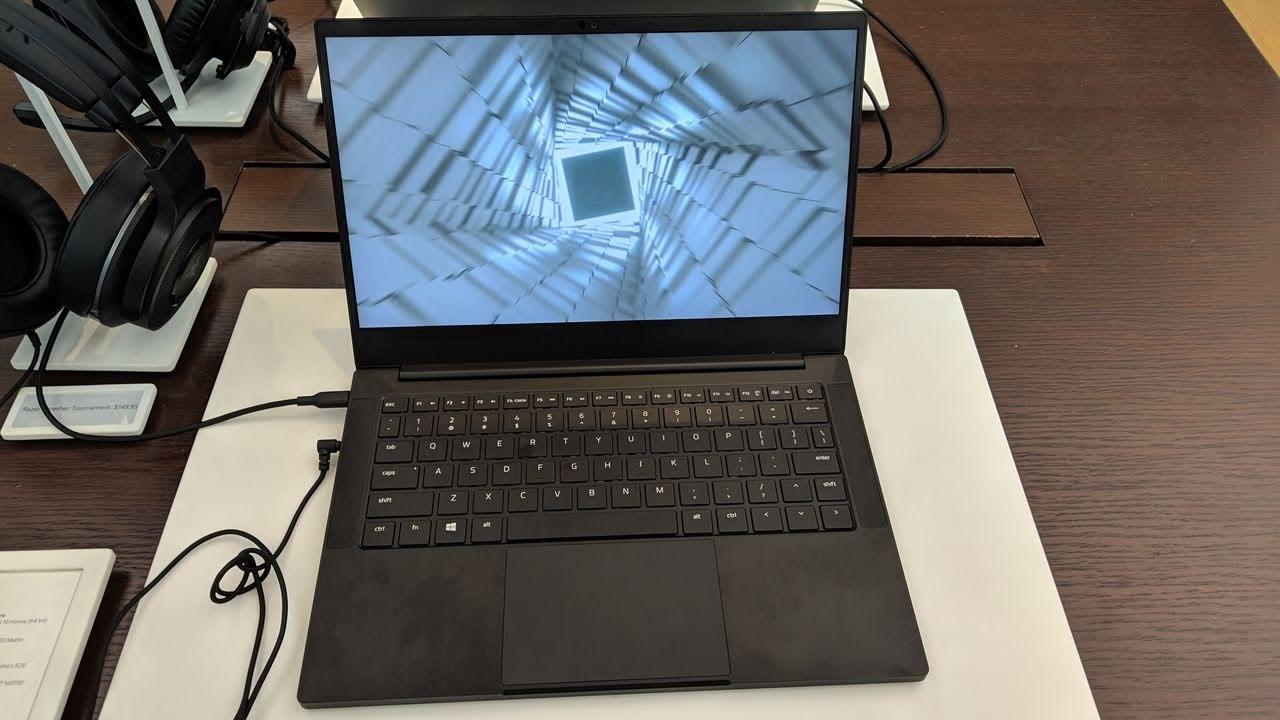
Both laptops pack Intel's flagship Core i9-14900HX and 32GB DDR5 RAM, but they serve different priorities. ASUS ProArt StudioBook 16 excels for creative professionals with its superior 3.2K OLED display (3200x2000, 550 nits), perfect color accuracy, and lighter 1.85kg chassis. The 8-hour battery life significantly outlasts Razer's 6 hours, crucial for studio work away from outlets. Razer Blade 16 counters with a faster 240Hz refresh rate display (2560x1600) and slightly better portability considerations, though at $500 more and noticeably heavier. For video editors, designers, and photographers prioritizing color-critical work and battery endurance, the ASUS offers superior value and practical advantages. Razer targets high-refresh gaming and streaming, but at this price point, the ProArt's display quality and battery performance deliver stronger real-world benefits.
Who Should Buy
Buy the ASUS ProArt StudioBook 16 if…
- →Factory-calibrated 3.2K OLED display with Pantone validation
- →RTX 4070 handles GPU-intensive creative workloads
- →ASUS Dial rotary knob for creative app control
Buy the Razer Blade 16 (2024) if…
- →Top-tier RTX 40-series GPU options up to RTX 4090
- →Gorgeous QHD+ 240Hz OLED display
- →Premium CNC aluminum chassis with slim profile
Category Scores
Pros & Cons
ASUS ProArt StudioBook 16
Pros
- Factory-calibrated 3.2K OLED display with Pantone validation
- RTX 4070 handles GPU-intensive creative workloads
- ASUS Dial rotary knob for creative app control
- Full port selection including SD card and Thunderbolt
- Windows 11 Pro with professional software bundles
Cons
- High price targets a narrow professional audience
- Heavy at 1.85 kg despite sleek appearance
- Battery life drops under sustained GPU use
- Thunderbolt ports share bandwidth with USB-A
- Runs warm under sustained i9 load
Razer Blade 16 (2024)
Pros
- Top-tier RTX 40-series GPU options up to RTX 4090
- Gorgeous QHD+ 240Hz OLED display
- Premium CNC aluminum chassis with slim profile
- Comprehensive port selection including SD card and HDMI 2.1
Cons
- Very expensive even at base configuration
- Battery life is short under any real workload
- Runs hot and loud during gaming sessions
- Heavy for a 16-inch laptop intended to be portable
Full Specifications
| Spec | ASUS ProArt StudioBook 16 | Razer Blade 16 (2024) |
|---|---|---|
| Software | Windows 11 Pro | Windows 11 Home |
| Body | ||
| Weight | 1.85 kg | 2.45 kg |
| Material | Anodized aluminum | CNC aluminum unibody |
| Dimensions | 355.4 x 252.1 x 18.9 mm | 355 x 235 x 21.99 mm |
| Ports | ||
| HDMI | 1 | 1 |
| USB-A ports | 3 | 3 |
| USB-C ports | 1 | 2 |
| SD card | ||
| Thunderbolt ports | 2 | 2 |
| Battery | ||
| Battery life | Up to 8 hours mixed use | Up to 6 hours |
| Capacity | 90 Wh | 95.2 Wh |
| Display | ||
| Size | 16.0 inches | 16 inches |
| Type | 3.2K OLED Pro touch | OLED |
| Resolution | 3200 x 2000 | 2560 x 1600 |
| Refresh rate | 120Hz | 240Hz |
| Brightness (nits) | 550 | 400 |
| Storage | ||
| SSD | 1 TB NVMe | 1 TB |
| Expandable storage | ||
| Keyboard | ||
| Backlit | ||
| Touch Bar | — | |
| Processor | ||
| RAM | 32 GB DDR5 | 32 GB DDR5 |
| Cores | 24-core (8P+16E) | 24 cores |
| Chipset | Intel Core i9-14900HX | Intel Core i9-14900HX |
Related Comparisons
- Razer Blade 16 (2024) vs ASUS ROG Zephyrus G14 (2023)
- ASUS ProArt StudioBook 16 vs ASUS ROG Zephyrus G14 (2023)
- Razer Blade 16 (2024) vs Apple MacBook Pro 16" M2 Pro
- ASUS ProArt StudioBook 16 vs Apple MacBook Pro 16" M2 Pro
- Razer Blade 16 (2024) vs Apple MacBook Pro 14" M3 Pro
- ASUS ProArt StudioBook 16 vs Apple MacBook Pro 14" M3 Pro
This comparison is based on verified manufacturer specifications covering display, performance, camera, battery, and build quality. Scores are generated by analyzing specs across weighted categories on a 10-point scale. Learn more about our methodology.
Explore more in laptops, see all ASUS products or all Razer products. View full details for the ASUS ProArt StudioBook 16 or the Razer Blade 16 (2024).