ASUS ProArt StudioBook 16 vs LG Gram 17 (2024)
The Verdict
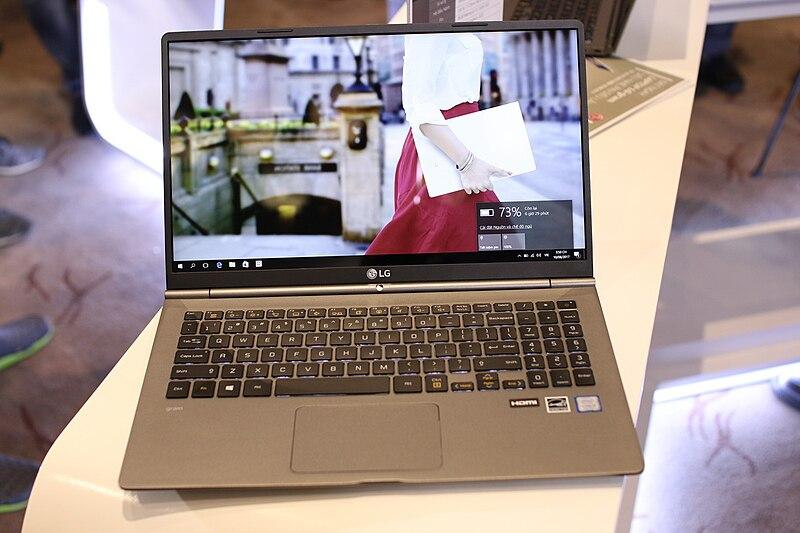
Both laptops serve different professional needs effectively. ASUS ProArt StudioBook 16 excels for creative professionals requiring color-accurate work, featuring a stunning 3.2K OLED Pro display (3200x2000, 120Hz, 550 nits) paired with an Intel Core i9-14900HX (24 cores), 32GB DDR5 RAM, and 1TB storage,ideal for video editing, 3D rendering, and photography. LG Gram 17 prioritizes mobility and endurance, delivering exceptional 17-hour battery life in a remarkably thin 13mm chassis weighing just 1.35kg. Its larger 17-inch WQXGA display suits document work and multitasking, though the 60Hz IPS panel lacks the OLED's vibrancy and precision color reproduction. Storage discrepancy is notable: ASUS provides 1TB versus LG's 512GB. Choose the ASUS ProArt StudioBook 16 if color-critical creative work justifies the $900 premium and heavier weight; select the LG Gram 17 for all-day portability and battery longevity on a tighter budget.
Who Should Buy
Buy the ASUS ProArt StudioBook 16 if…
- →Factory-calibrated 3.2K OLED display with Pantone validation
- →RTX 4070 handles GPU-intensive creative workloads
- →ASUS Dial rotary knob for creative app control
Buy the LG Gram 17 (2024) if…
- →Remarkably light for a 17-inch laptop at just 1.35 kg
- →Up to 17-hour battery life is class-leading at this size
- →MIL-STD-810H certified for everyday durability
Category Scores
Pros & Cons
ASUS ProArt StudioBook 16
Pros
- Factory-calibrated 3.2K OLED display with Pantone validation
- RTX 4070 handles GPU-intensive creative workloads
- ASUS Dial rotary knob for creative app control
- Full port selection including SD card and Thunderbolt
- Windows 11 Pro with professional software bundles
Cons
- High price targets a narrow professional audience
- Heavy at 1.85 kg despite sleek appearance
- Battery life drops under sustained GPU use
- Thunderbolt ports share bandwidth with USB-A
- Runs warm under sustained i9 load
LG Gram 17 (2024)
Pros
- Remarkably light for a 17-inch laptop at just 1.35 kg
- Up to 17-hour battery life is class-leading at this size
- MIL-STD-810H certified for everyday durability
- Generous port selection including USB-A and full-size SD card
- Large 2560x1600 display ideal for productivity
Cons
- 350-nit display brightness is modest in bright environments
- IPS display lacks the vibrancy of OLED alternatives
- No discrete GPU option
- 60Hz refresh rate feels dated compared to 90–120Hz peers
- Thin chassis can flex under pressure
Full Specifications
| Spec | ASUS ProArt StudioBook 16 | LG Gram 17 (2024) |
|---|---|---|
| Software | Windows 11 Pro | Windows 11 Home |
| Body | ||
| Weight | 1.85 kg | 1.35 kg |
| Material | Anodized aluminum | Magnesium alloy (Nano skin finish) |
| Dimensions | 355.4 x 252.1 x 18.9 mm | 381.3 x 261.5 x 13.0 mm |
| Ports | ||
| HDMI | 1 | 1 |
| USB-A ports | 3 | 3 |
| USB-C ports | 1 | 1 |
| SD card | ||
| Thunderbolt ports | 2 | 2 |
| Battery | ||
| Battery life | Up to 8 hours mixed use | Up to 17 hours mixed use |
| Capacity | 90 Wh | 90 Wh |
| Display | ||
| Size | 16.0 inches | 17.0 inches |
| Type | 3.2K OLED Pro touch | WQXGA IPS anti-glare |
| Resolution | 3200 x 2000 | 2560 x 1600 |
| Refresh rate | 120Hz | 60Hz |
| Brightness (nits) | 550 | 350 |
| Storage | ||
| SSD | 1 TB NVMe | 512 GB NVMe |
| Expandable storage | ||
| Keyboard | ||
| Backlit | ||
| Touch Bar | ||
| Processor | ||
| RAM | 32 GB DDR5 | 16 GB LPDDR5x |
| Cores | 24-core (8P+16E) | 16-core (6P+8E+2LPE) |
| Chipset | Intel Core i9-14900HX | Intel Core Ultra 7 155H |
Related Comparisons
This comparison is based on verified manufacturer specifications covering display, performance, camera, battery, and build quality. Scores are generated by analyzing specs across weighted categories on a 10-point scale. Learn more about our methodology.
Explore more in laptops, see all ASUS products or all LG products. View full details for the ASUS ProArt StudioBook 16 or the LG Gram 17 (2024).