Asus Pad vs Xiaomi Pad 9 Pro Max
How They Compare
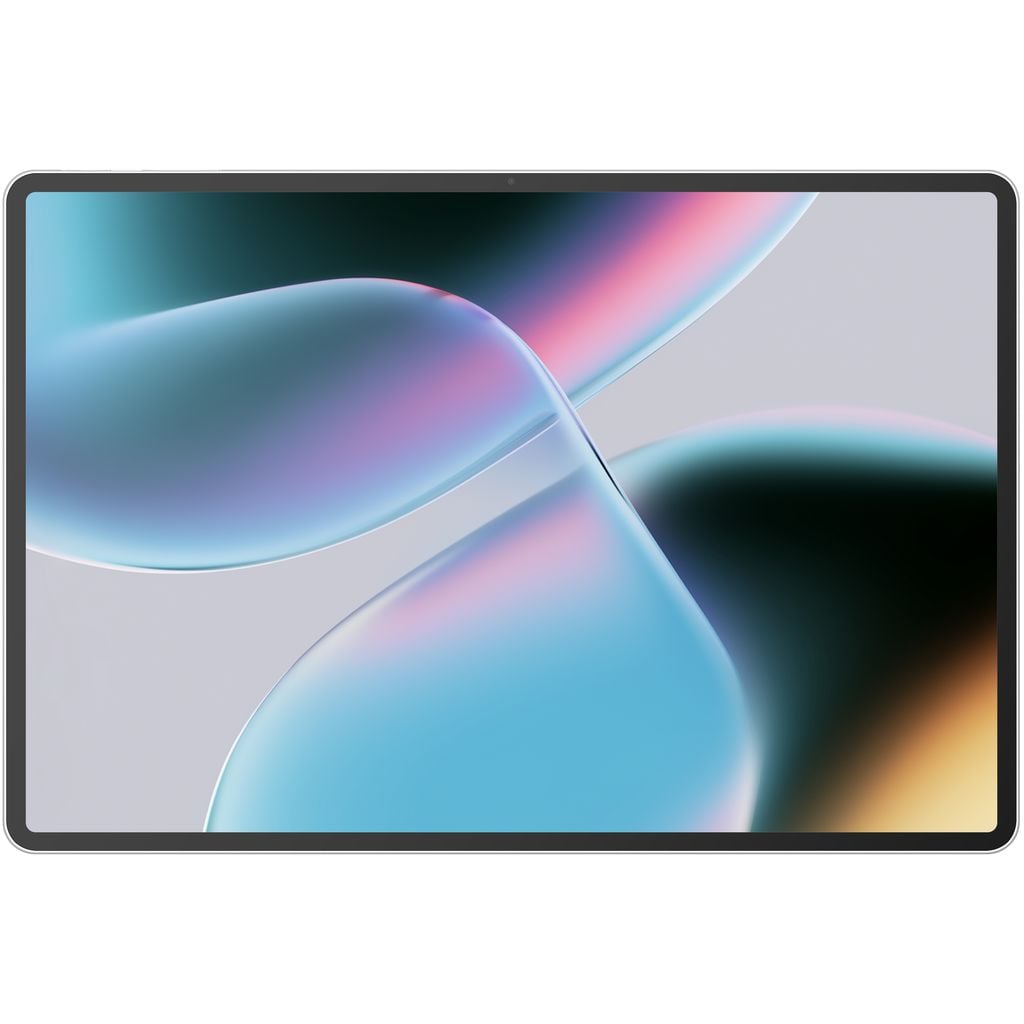
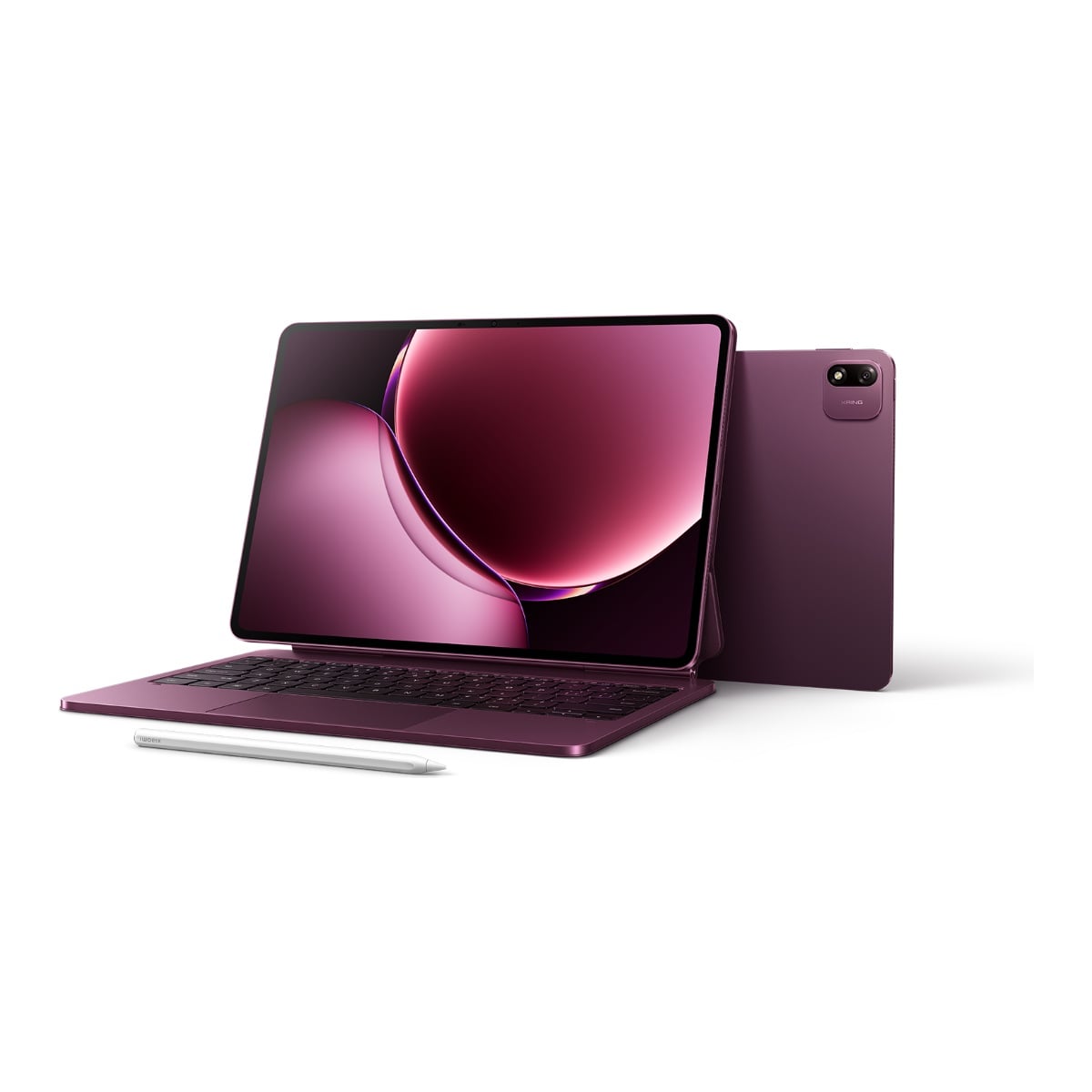
The Asus Pad and Xiaomi Pad 9 Pro Max sit in the same category and end up appealing to slightly different buyers. The Asus Pad is the cheaper of the two at $300 versus $715, a difference of about $415. The spec table below ranks 6 of their differences, and they do not all point the same way: the Asus Pad wins on weight (523g vs 645g), the Xiaomi Pad 9 Pro Max on battery capacity (12000 mAh vs 9000mAh) and screen size (13.3-inch vs 12.2-inch). The pros lists below lead with — Asus Pad: 144Hz dual-layer OLED at 12.2 inches is rare at this tier; Xiaomi Pad 9 Pro Max: 13.3-inch 3.4K 144Hz panel in a 3:2 aspect suited to work. Use the side-by-side spec table below to compare display, processor, battery and storage in detail and decide which one fits your priorities.
Who Should Buy
Buy the Asus Pad if…
- →144Hz dual-layer OLED at 12.2 inches is rare at this tier
- →6.5mm thin magnesium-alloy build keeps weight at a reasonable 523g
- →microSD slot plus up to 256GB UFS 3.1 gives flexible storage options
Buy the Xiaomi Pad 9 Pro Max if…
- →13.3-inch 3.4K 144Hz panel in a 3:2 aspect suited to work
- →12,000 mAh battery with 120W charging
- →DP-in over USB-C lets it act as an external monitor
Pros & Cons
Asus Pad
Pros
- 144Hz dual-layer OLED at 12.2 inches is rare at this tier
- 6.5mm thin magnesium-alloy build keeps weight at a reasonable 523g
- microSD slot plus up to 256GB UFS 3.1 gives flexible storage options
Cons
- Dimensity 8300 trails flagship chips like the Snapdragon 8 Gen 3 in sustained performance
- 600 nits peak brightness may struggle in direct sunlight compared to 1000+ nit rivals
Xiaomi Pad 9 Pro Max
Pros
- 13.3-inch 3.4K 144Hz panel in a 3:2 aspect suited to work
- 12,000 mAh battery with 120W charging
- DP-in over USB-C lets it act as an external monitor
- Xiaomi in-house Xring O3 with a 16-core GPU
Cons
- China-only at launch with no confirmed global pricing
- 645g is heavy to hold for long stretches
- 1,000 nits trails the brightest tablets in this class
- Android tablet software still lags iPadOS for large-screen apps
Full Specifications
| Spec | Asus Pad | Xiaomi Pad 9 Pro Max |
|---|---|---|
| Software | Android 16 | HyperOS 4 |
| Body | ||
| Overview | 523g, 6.5mm, magnesium-alloy chassis, fiberglass rear | — |
| Weight | 523g | 645g |
| Colors | — | Burgundy, Black, Silver |
| Battery | ||
| Overview | 9000mAh, 45W fast charging | — |
| Capacity | 9000mAh | 12000 mAh |
| Charging | — | 120W wired |
| Display | ||
| Overview | 12.2-inch dual-layer OLED, 2800 x 1840, 3:2, 144Hz, 600 nits | 13.3-inch 3.4K, 3:2 aspect |
| Size | 12.2-inch | 13.3-inch |
| Type | OLED | — |
| Resolution | 2800 x 1840 | 3408 x 2272 |
| Refresh rate | 144Hz | 144Hz |
| Brightness (nits) | — | 1000 nits |
| Storage | ||
| Overview | Up to 256GB UFS 3.1 + microSD expansion | — |
| Storage options | 256GB | 256GB, 512GB, 1TB |
| Expandable storage | Not stated | |
| Processor | ||
| Chipset | MediaTek Dimensity 8300 | Xiaomi Xring O3, 10-core, up to 4.35GHz |
| GPU | — | G2-Ultra NX (16-core) |
| Connectivity | ||
| Overview | Wi-Fi 6E, Bluetooth 5.3, USB 3.2 Gen 1 Type-C | — |
| Wi-Fi | Wi-Fi 6E | Wi-Fi 7 |
| Bluetooth | 5.3 | — |
| USB | — | full-function USB-C with DP-in video input |
| Cameras | ||
| Rear | — | 50MP |
| Front camera | — | 32MP |
| Speakers | — | 8 speakers with Dolby Atmos |
| Thickness | — | 5.67mm |
| RAM Options | — | 8GB, 12GB, 16GB |
| Color Accuracy | — | Delta E approx 0.47 |
Want to compare a third product?
Add another product for a 3-way comparison.
Related Comparisons
Explore more in tablets, see all ASUS products or all Xiaomi products. View full details for the Asus Pad or the Xiaomi Pad 9 Pro Max.