Apple TV 4K (4th generation) vs R85H

How They Compare
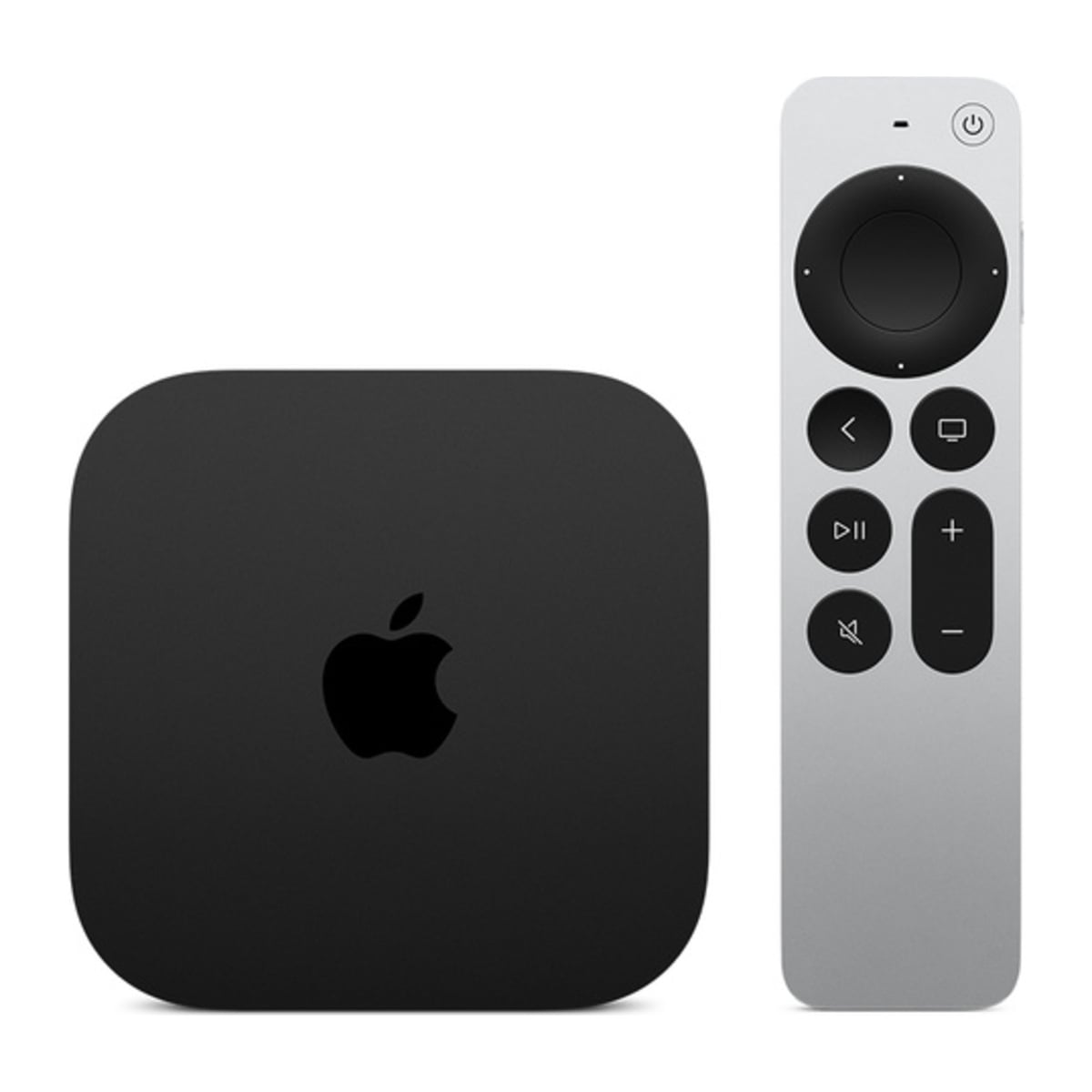
The Apple TV 4K (4th generation) and R85H sit in the same category and end up appealing to slightly different buyers. The Apple TV 4K (4th generation) is the cheaper of the two at $299 versus $2,999, a difference of about $2,700. The spec table below ranks 2 of their differences, and they do not all point the same way — the Apple TV 4K (4th generation) wins 1 of them and the R85H 1. The pros lists below lead with — Apple TV 4K (4th generation): A19 chip gives it far more processing headroom than any other streaming box; R85H: Micro RGB LED backlight delivers more precise color control than standard LED or QLED panels. Use the side-by-side spec table below to compare display, audio, connectivity and smart tv in detail and decide which one fits your priorities.
Who Should Buy
Buy the Apple TV 4K (4th generation) if…
- →A19 chip gives it far more processing headroom than any other streaming box
- →Wi-Fi 7 (802.11be) with 2x2 MIMO plus Gigabit Ethernet covers both wired and wireless setups
- →Broad HDR support — Dolby Vision Profile 8.1 and 5, HDR10, HDR10+ and HLG — plus AV1 decoding
Buy the R85H if…
- →Micro RGB LED backlight delivers more precise color control than standard LED or QLED panels
- →Four HDMI 2.1 ports provide full bandwidth for multiple 4K@120Hz gaming or media sources simultaneously
- →Eclipsa Audio support alongside Dolby Atmos covers a broader range of spatial audio formats
Pros & Cons
Apple TV 4K (4th generation)
Pros
- A19 chip gives it far more processing headroom than any other streaming box
- Wi-Fi 7 (802.11be) with 2x2 MIMO plus Gigabit Ethernet covers both wired and wireless setups
- Broad HDR support — Dolby Vision Profile 8.1 and 5, HDR10, HDR10+ and HLG — plus AV1 decoding
- Dolby Atmos, Dolby Digital 5.1 and Digital Plus 7.1 passthrough for a home-cinema chain
Cons
- Video output caps at 2160p60: no 8K and no 120 fps
- The box itself has no USB port — the only USB-C is on the remote, for charging it
- At $299 it costs several times what Roku and Amazon charge for a 4K streamer
R85H
Pros
- Micro RGB LED backlight delivers more precise color control than standard LED or QLED panels
- Four HDMI 2.1 ports provide full bandwidth for multiple 4K@120Hz gaming or media sources simultaneously
- Eclipsa Audio support alongside Dolby Atmos covers a broader range of spatial audio formats
Cons
- Pricing has not been confirmed, making budget planning difficult ahead of launch
- Matte coating may reduce peak brightness perception compared to glossy panel alternatives
Full Specifications
| Spec | Apple TV 4K (4th generation) | R85H |
|---|---|---|
| Body | ||
| Weight | 217 g | 74.96 lb (without stand) / 76.50 lb (with stand) |
| Dimensions | 31.0 x 93.24 x 93.24 mm | — |
| Form factor | Streaming Media Player (set-top box) | — |
| Audio | ||
| Dolby Atmos | ||
| Eclipsa Audio | Not stated | |
| Display | ||
| HDR | Dolby Vision (Profile 8.1 and 5), HDR10, HDR10+, HLG | — |
| Resolution | 4K (2160p) | 3840 x 2160 (4K UHD) |
| Size | — | 85-inch |
| Type | — | Micro RGB LED |
| Coating | — | Matte |
| Smart TV | ||
| OS | tvOS 27 | Tizen OS |
| Voice assistant | Siri AI | — |
| Processor | ||
| Chipset | A19 | — |
| Connectivity | ||
| Wi-Fi | Wi-Fi 7 (802.11be) with 2x2 MIMO | — |
| Ethernet | ||
| Bluetooth | 6 | — |
| USB ports | 0 | — |
| HDMI ports | 1 (HDMI 2.1 with eARC, QMS, 4K 60fps max) | 4 |
Want to compare a third product?
Add another product for a 3-way comparison.
Related Comparisons
Explore more in tvs, see all Apple products or all Samsung products. View full details for the Apple TV 4K (4th generation) or the R85H.