Apple iPhone XS vs Moto Edge 30 Pro
The Verdict
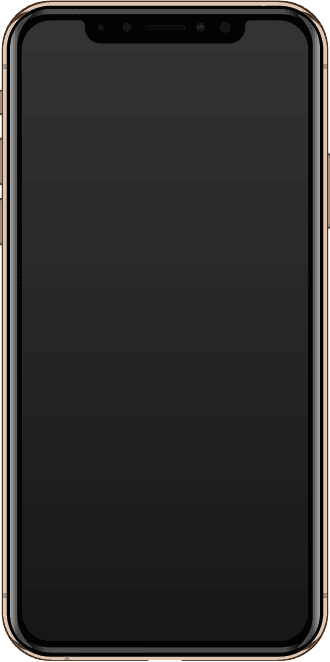
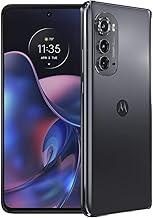
iPhone XS delivers a refined premium experience with its iconic Super Retina OLED display (725 nits) and powerful A12 Bionic chip, though its 60Hz refresh rate and modest 2658mAh battery feel dated. Moto Edge 30 Pro substantially outspecs it with a larger 6.7-inch 144Hz P-OLED screen (1050 nits brightness), Snapdragon 8 Gen 1 processor, and generous 4800mAh battery supporting 68W charging versus iPhone's 18W. Camera-wise, the Moto's 50MP main and 60MP selfie camera surpass iPhone's 12MP setup, though iPhone's computational photography remains competitive. Edge 30 Pro adds 5G, USB-C, and 8GB RAM while costing $300 less. iPhone XS excels in software polish and ecosystem integration, but Moto Edge 30 Pro's superior specs, faster charging, longer battery life, and significantly lower price make it the stronger value proposition today.
Who Should Buy
Buy the Apple iPhone XS if…
- →First 7nm A12 Bionic chip in a smartphone
- →eSIM support for dual SIM capability
- →Excellent Super Retina OLED display
Buy the Moto Edge 30 Pro if…
- →144Hz P-OLED display is buttery smooth
- →68W fast charging
- →60 MP selfie camera is excellent
Category Scores
Pros & Cons
Apple iPhone XS
Pros
- First 7nm A12 Bionic chip in a smartphone
- eSIM support for dual SIM capability
- Excellent Super Retina OLED display
- Improved Face ID speed over iPhone X
- Premium stainless steel build
Cons
- Small battery at 2658 mAh
- No ultrawide camera
- 5W charger in the box
- Minimal upgrade over iPhone X
- No Night mode for camera
Moto Edge 30 Pro
Pros
- 144Hz P-OLED display is buttery smooth
- 68W fast charging
- 60 MP selfie camera is excellent
- 50 MP ultrawide is high quality
- Near-stock Android experience
Cons
- 2 MP depth camera is useless
- IP52 rating is only splash-proof
- No telephoto camera
- Snapdragon 8 Gen 1 overheating
- Slow software update schedule
Full Specifications
| Spec | Apple iPhone XS | Moto Edge 30 Pro |
|---|---|---|
| Software | iOS 12 | Android 12 |
| Body | ||
| Weight | 177 g | 196 g |
| Material | Stainless steel frame, glass back | Aluminum frame, Gorilla Glass 5 |
| IP rating | IP68 | IP52 |
| Dimensions | 143.6 x 70.9 x 7.7 mm | 163.06 x 75.95 x 8.79 mm |
| Camera | ||
| Main camera | 12 MP, f/1.8, OIS | 50 MP, f/1.8, OIS |
| Front camera | 7 MP, f/2.2 | 60 MP, f/2.2 |
| Video | 4K@60fps | 8K@24fps, 4K@60fps |
| Telephoto | 12 MP, f/2.4, 2x optical zoom | — |
| Depth | — | 2 MP, f/2.4 |
| Ultrawide | — | 50 MP, f/2.2 |
| Memory | ||
| RAM | 4 GB | 8 GB |
| Storage options | 64 GB, 256 GB, 512 GB | 128 GB, 256 GB |
| Battery | ||
| Capacity | 2658 mAh | 4800 mAh |
| Charging | 18W wired (adapter sold separately) | 68W TurboPower wired |
| Wireless charging | 7.5W Qi | 15W wireless |
| Display | ||
| Size | 5.8 inches | 6.7 inches |
| Type | Super Retina OLED | P-OLED |
| Resolution | 2436 x 1125 | 2400 x 1080 |
| Refresh rate | 60Hz | 144Hz |
| Brightness (nits) | 725 | 1050 |
| Processor | ||
| CPU | Hexa-core (2x2.5 GHz + 4x1.6 GHz) | Octa-core (1x3.0 GHz + 3x2.5 GHz + 4x1.8 GHz) |
| GPU | Apple GPU (4-core) | Adreno 730 |
| Chipset | Apple A12 Bionic | Qualcomm Snapdragon 8 Gen 1 |
| Connectivity | ||
| 5G | ||
| NFC | ||
| USB | Lightning | USB-C 3.1 |
| Wi-Fi | Wi-Fi 5 (802.11ac) | Wi-Fi 6E |
| Bluetooth | 5.0 | 5.2 |
Related Comparisons
This comparison is based on verified manufacturer specifications covering display, performance, camera, battery, and build quality. Scores are generated by analyzing specs across weighted categories on a 10-point scale. Learn more about our methodology.
Explore more in phones, see all Apple products or all Motorola products. View full details for the Apple iPhone XS or the Moto Edge 30 Pro.