Apple iPhone XR vs Samsung Galaxy S21
The Verdict
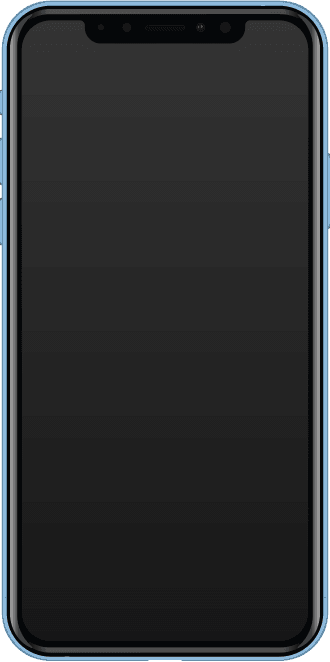
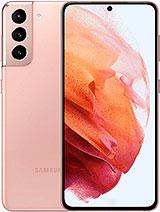
Samsung Galaxy S21 decisively outperforms the iPhone XR across nearly every dimension. Display quality stands out with a 120Hz Dynamic AMOLED 2X panel delivering 1300 nits brightness versus the XR's 625-nit LCD, making scrolling noticeably smoother and colors significantly more vibrant. Camera capabilities heavily favor Samsung with a telephoto lens, ultrawide sensor, and 8K video recording compared to iPhone's single-camera setup. Processing power differences are stark: Snapdragon 888 with 8GB RAM absolutely crushes the aging A12 Bionic and 3GB RAM configuration. Battery capacity (4000mAh vs 2942mAh) combined with faster 25W charging provides better endurance. Samsung includes 5G, USB-C, and Wi-Fi 6 versus iPhone's dated Lightning connector and Wi-Fi 5. At only $50 more, the S21 represents vastly superior technology and value. iPhone XR remains a capable entry device but feels genuinely dated by comparison.
Who Should Buy
Buy the Apple iPhone XR if…
- →Best-selling iPhone of 2018-2019
- →Great battery life for the era
- →Six vibrant color options
Buy the Samsung Galaxy S21 if…
- →$200 price cut from S20 launched at $799
- →Lightweight and compact at 169 g
- →120Hz AMOLED with adaptive refresh
Category Scores
Pros & Cons
Apple iPhone XR
Pros
- Best-selling iPhone of 2018-2019
- Great battery life for the era
- Six vibrant color options
- Same A12 Bionic as the XS models
- More affordable entry into Face ID iPhones
Cons
- LCD display instead of OLED
- 720p-class resolution
- Single rear camera only
- Thicker bezels than XS
- Only 3 GB RAM
Samsung Galaxy S21
Pros
- $200 price cut from S20 launched at $799
- Lightweight and compact at 169 g
- 120Hz AMOLED with adaptive refresh
- Snapdragon 888 performance
- Eye-catching Contour Cut camera design
Cons
- Plastic (Glasstic) back panel
- FHD+ only, no QHD option
- No microSD card slot
- Slow 25W charging
- No charger included in the box
Full Specifications
| Spec | Apple iPhone XR | Samsung Galaxy S21 |
|---|---|---|
| Software | iOS 12 | Android 11, One UI 3.1 |
| Body | ||
| Weight | 194 g | 169 g |
| Material | Aluminum frame, glass back | Aluminum frame, Glasstic back |
| IP rating | IP67 | IP68 |
| Dimensions | 150.9 x 75.7 x 8.3 mm | 151.7 x 71.2 x 7.9 mm |
| Camera | ||
| Main camera | 12 MP, f/1.8, OIS | 12 MP, f/1.8, OIS |
| Front camera | 7 MP, f/2.2 | 10 MP, f/2.2 |
| Video | 4K@60fps | 8K@24fps, 4K@60fps |
| Telephoto | — | 64 MP, f/2.0, 3x hybrid zoom |
| Ultrawide | — | 12 MP, f/2.2 |
| Memory | ||
| RAM | 3 GB | 8 GB |
| Storage options | 64 GB, 128 GB, 256 GB | 128 GB, 256 GB |
| Battery | ||
| Capacity | 2942 mAh | 4000 mAh |
| Charging | 18W wired (adapter sold separately) | 25W wired |
| Wireless charging | 7.5W Qi | 15W wireless |
| Display | ||
| Size | 6.1 inches | 6.2 inches |
| Type | Liquid Retina IPS LCD | Dynamic AMOLED 2X |
| Resolution | 1792 x 828 | 2400 x 1080 |
| Refresh rate | 60Hz | 120Hz |
| Brightness (nits) | 625 | 1300 |
| Processor | ||
| CPU | Hexa-core (2x2.5 GHz + 4x1.6 GHz) | Octa-core (1x2.84 GHz + 3x2.42 GHz + 4x1.8 GHz) |
| GPU | Apple GPU (4-core) | Adreno 660 |
| Chipset | Apple A12 Bionic | Qualcomm Snapdragon 888 |
| Connectivity | ||
| 5G | ||
| NFC | ||
| USB | Lightning | USB-C 3.2 |
| Wi-Fi | Wi-Fi 5 (802.11ac) | Wi-Fi 6 |
| Bluetooth | 5.0 | 5.0 |
Related Comparisons
This comparison is based on verified manufacturer specifications covering display, performance, camera, battery, and build quality. Scores are generated by analyzing specs across weighted categories on a 10-point scale. Learn more about our methodology.
Explore more in phones, see all Apple products or all Samsung products. View full details for the Apple iPhone XR or the Samsung Galaxy S21.