Apple iPhone 8 vs iQOO 13

The Verdict
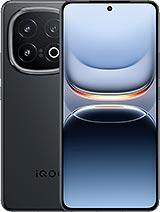
iPhone 8 represents older Apple technology with a compact 4.7-inch Retina LCD display, modest 2GB RAM, and the aging A11 Bionic chip, though it maintains solid build quality with IP67 water resistance and reliable iOS 11 software. iQOO 13 delivers dramatically superior specifications: a massive 6.82-inch LTPO AMOLED display with 4500 nits peak brightness, 12GB RAM, Snapdragon 8 Elite processor, and a versatile quad-camera setup (50MP main, telephoto, ultrawide). Battery performance heavily favors iQOO with 6000mAh capacity and 120W fast charging versus iPhone's 1821mAh requiring expensive accessories. iQOO 13 also includes 5G, Wi-Fi 7, and USB-C connectivity. While iPhone 8's iOS ecosystem offers simplicity and app optimization, it's fundamentally a 2017 device versus cutting-edge 2024 technology. iQOO 13 provides exceptional value at $150 less with modern performance, superior cameras, and substantially better battery endurance. Strongly recommend iQOO 13 unless ecosystem loyalty outweighs technical requirements.
Who Should Buy
Buy the Apple iPhone 8 if…
- →Compact and lightweight at 148 g
- →Wireless charging support
- →Powerful A11 Bionic chip
Buy the iQOO 13 if…
- →Snapdragon 8 Elite flagship chip at an aggressive $549 price
- →6000 mAh battery with 120W charging — best combo in any flagship
- →144Hz 2K AMOLED display with 4500-nit brightness is extraordinary
Category Scores
Pros & Cons
Apple iPhone 8
Pros
- Compact and lightweight at 148 g
- Wireless charging support
- Powerful A11 Bionic chip
- True Tone display
- Reliable Touch ID fingerprint sensor
Cons
- Very small 1821 mAh battery
- Dated home button design with large bezels
- Single rear camera only
- 750p resolution on 4.7-inch display
- Only 2 GB RAM
iQOO 13
Pros
- Snapdragon 8 Elite flagship chip at an aggressive $549 price
- 6000 mAh battery with 120W charging — best combo in any flagship
- 144Hz 2K AMOLED display with 4500-nit brightness is extraordinary
- Triple 50MP camera system is well-balanced
- IP69 durability at this price is exceptional
Cons
- Very limited global availability — primarily a China/India phone
- No wireless charging despite the flagship specs
- Camera processing lags behind Samsung and Apple in consistency
- Funtouch OS software is not as refined as OxygenOS or One UI
Full Specifications
| Spec | Apple iPhone 8 | iQOO 13 |
|---|---|---|
| Software | iOS 11 | Android 15 (Funtouch OS 15) |
| Body | ||
| Weight | 148 g | 213 g |
| Material | Aluminum frame, glass back | Aluminum frame, glass back |
| IP rating | IP67 | IP69 |
| Dimensions | 138.4 x 67.3 x 7.3 mm | 163.0 x 76.8 x 8.1 mm |
| Camera | ||
| Main camera | 12 MP, f/1.8, OIS | 50 MP, f/1.88, OIS (Sony IMX921) |
| Front camera | 7 MP, f/2.2 | 32 MP, f/2.0 |
| Video | 4K@60fps | 4K@120fps |
| Telephoto | — | 50 MP, f/2.57, 2x telephoto |
| Ultrawide | — | 50 MP, f/2.0, 120-degree |
| Memory | ||
| RAM | 2 GB | 12 GB |
| Storage options | 64 GB, 256 GB | 256 GB, 512 GB |
| Battery | ||
| Capacity | 1821 mAh | 6000 mAh |
| Charging | 18W wired (adapter sold separately) | 120W wired |
| Wireless charging | 7.5W Qi | — |
| Display | ||
| Size | 4.7 inches | 6.82 inches |
| Type | Retina IPS LCD | LTPO AMOLED |
| Resolution | 1334 x 750 | 3168 x 1440 |
| Refresh rate | 60Hz | 1-144Hz |
| Brightness (nits) | 625 | 4500 |
| Processor | ||
| CPU | Hexa-core (2x2.39 GHz + 4x1.7 GHz) | Octa-core (2x4.32 GHz + 6x3.53 GHz) |
| GPU | Apple GPU (3-core) | Adreno 830 |
| Chipset | Apple A11 Bionic | Qualcomm Snapdragon 8 Elite |
| Connectivity | ||
| 5G | ||
| NFC | ||
| USB | Lightning | USB-C 3.2 |
| Wi-Fi | Wi-Fi 5 (802.11ac) | Wi-Fi 7 |
| Bluetooth | 5.0 | 5.4 |
Related Comparisons
This comparison is based on verified manufacturer specifications covering display, performance, camera, battery, and build quality. Scores are generated by analyzing specs across weighted categories on a 10-point scale. Learn more about our methodology.
Explore more in phones, see all Apple products or all iQOO products. View full details for the Apple iPhone 8 or the iQOO 13.