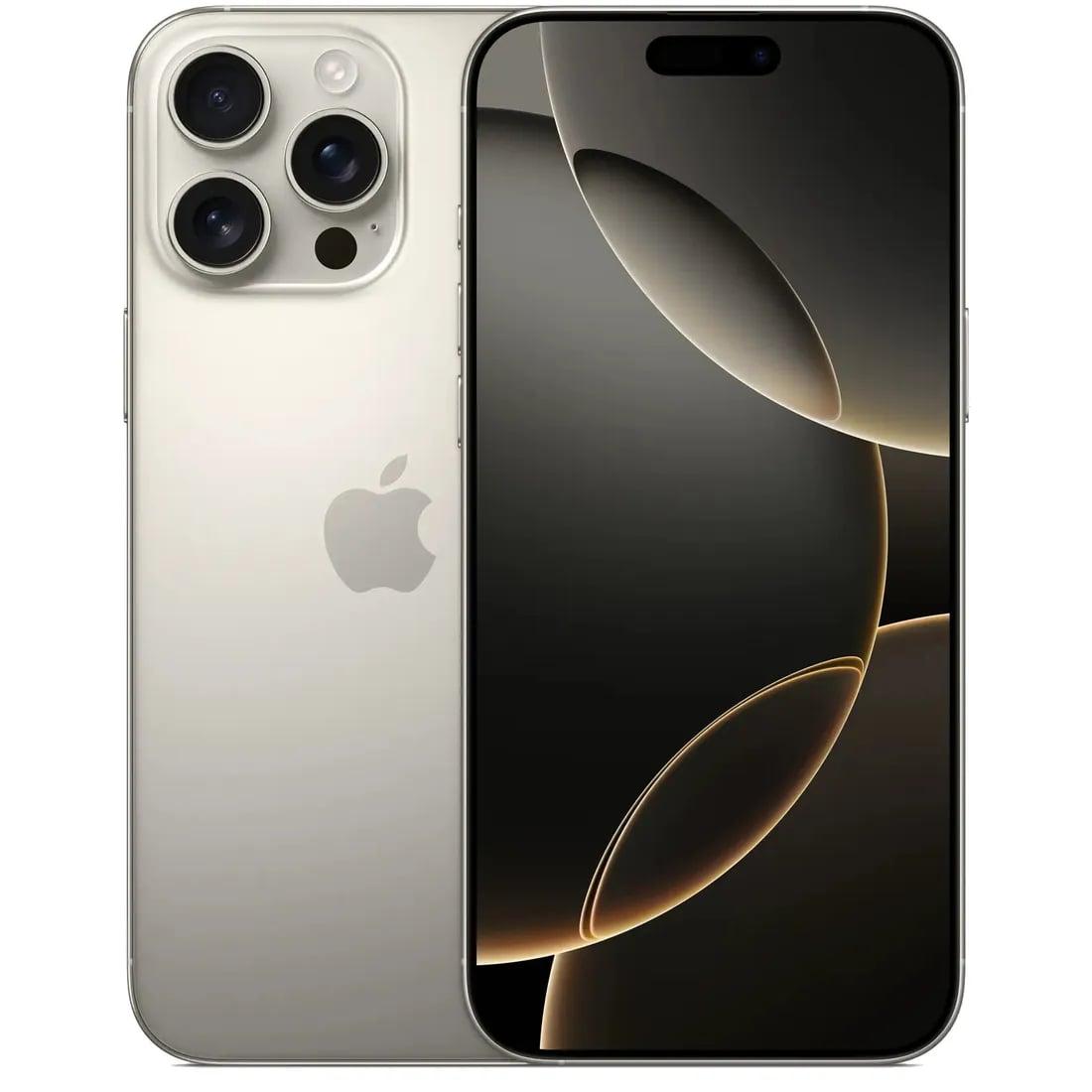
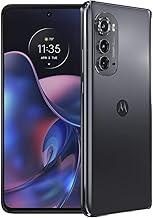
Apple iPhone 16 Pro Max vs Moto Edge 30 Pro
The Verdict
iPhone 16 Pro Max dominates with a superior 6.9-inch Super Retina XDR display (2000 nits, 120Hz LTPO), exceptional computational photography via A18 Pro, and versatile camera system featuring 5x optical zoom and 4K@120fps Dolby Vision. Moto Edge 30 Pro offers respectable value with 144Hz refresh rate, faster 68W charging, and capable 50MP main sensor, but struggles with lower brightness (1050 nits), weaker IP52 rating versus IP68, and aging Android 12. Battery capacity slightly favors Moto (4800mAh vs 4685mAh), yet iPhone's optimized software delivers superior efficiency. For premium flagship features, computational power, camera versatility, and durability, iPhone 16 Pro Max justifies its premium pricing. Choose Moto Edge 30 Pro only if budget constraints dominate and 144Hz refresh rate matters significantly.
Who Should Buy
Buy the Apple iPhone 16 Pro Max if…
- →Class-leading A18 Pro performance
- →Versatile camera system with 5x tetraprism telephoto
- →Premium titanium build
Buy the Moto Edge 30 Pro if…
- →144Hz P-OLED display is buttery smooth
- →68W fast charging
- →60 MP selfie camera is excellent
Category Scores
Pros & Cons
Apple iPhone 16 Pro Max
Pros
- Class-leading A18 Pro performance
- Versatile camera system with 5x tetraprism telephoto
- Premium titanium build
- Bright 2000-nit ProMotion display
- Excellent battery life
Cons
- Very expensive starting price
- Heavy at 227 g
- Slow charging vs Android flagships
- Apple Intelligence features rolling out gradually
Moto Edge 30 Pro
Pros
- 144Hz P-OLED display is buttery smooth
- 68W fast charging
- 60 MP selfie camera is excellent
- 50 MP ultrawide is high quality
- Near-stock Android experience
Cons
- 2 MP depth camera is useless
- IP52 rating is only splash-proof
- No telephoto camera
- Snapdragon 8 Gen 1 overheating
- Slow software update schedule
Full Specifications
| Spec | Apple iPhone 16 Pro Max | Moto Edge 30 Pro |
|---|---|---|
| Software | iOS 18 | Android 12 |
| Body | ||
| Weight | 227 g | 196 g |
| Material | Titanium frame | Aluminum frame, Gorilla Glass 5 |
| IP rating | IP68 | IP52 |
| Dimensions | 163 x 77.6 x 8.25 mm | 163.06 x 75.95 x 8.79 mm |
| Camera | ||
| Main camera | 48 MP | 50 MP, f/1.8, OIS |
| Front camera | 12 MP | 60 MP, f/2.2 |
| Video | 4K@120fps Dolby Vision | 8K@24fps, 4K@60fps |
| Telephoto | 12 MP 5x | — |
| Ultrawide | 48 MP | 50 MP, f/2.2 |
| Depth | — | 2 MP, f/2.4 |
| Memory | ||
| RAM | 8 GB | 8 GB |
| Storage options | 256 GB, 512 GB, 1 TB | 128 GB, 256 GB |
| Battery | ||
| Capacity | 4685 mAh | 4800 mAh |
| Charging | 27W wired | 68W TurboPower wired |
| Wireless charging | 25W MagSafe | 15W wireless |
| Display | ||
| Size | 6.9 inches | 6.7 inches |
| Type | Super Retina XDR OLED, LTPO | P-OLED |
| Resolution | 2868 x 1320 | 2400 x 1080 |
| Refresh rate | 120Hz | 144Hz |
| Brightness (nits) | 2000 | 1050 |
| Processor | ||
| CPU | Hexa-core | Octa-core (1x3.0 GHz + 3x2.5 GHz + 4x1.8 GHz) |
| GPU | Apple GPU (6-core) | Adreno 730 |
| Chipset | Apple A18 Pro | Qualcomm Snapdragon 8 Gen 1 |
| Connectivity | ||
| 5G | ||
| NFC | ||
| USB | USB-C 3.2 Gen 2 | USB-C 3.1 |
| Wi-Fi | Wi-Fi 7 | Wi-Fi 6E |
| Bluetooth | 5.3 | 5.2 |
Related Comparisons
This comparison is based on verified manufacturer specifications covering display, performance, camera, battery, and build quality. Scores are generated by analyzing specs across weighted categories on a 10-point scale. Learn more about our methodology.
Explore more in phones, see all Apple products or all Motorola products. View full details for the Apple iPhone 16 Pro Max or the Moto Edge 30 Pro.