Apple iPhone 15 Plus vs Xiaomi Redmi 13

The Verdict
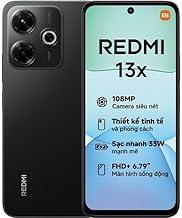
iPhone 15 Plus commands a premium price point with flagship performance delivered by the A16 Bionic chip, a stunning 2796 x 1290 OLED display running at 2000 nits brightness, and exceptional video capabilities including 4K Dolby Vision recording. Its 48MP main camera excels in computational photography, while the 15W MagSafe wireless charging adds convenience. Redmi 13 offers remarkable value with a larger 6.79-inch IPS display, faster 33W wired charging, and a more capacious 5030mAh battery lasting longer per charge. However, the Redmi relies on MediaTek's modest Helio G99 Ultra processor, limited 1080p video, and lacks 5G connectivity. Display quality and processing power heavily favor the iPhone, while the Redmi's battery endurance and price-to-specs ratio appeal to budget-conscious users. Choose iPhone 15 Plus for premium features and performance, or Redmi 13 if longevity and value matter most.
Who Should Buy
Buy the Apple iPhone 15 Plus if…
- →Outstanding battery life from large 4383 mAh cell
- →Dynamic Island replaces notch on a non-Pro model
- →48 MP main camera is a major upgrade over iPhone 14 Plus
Buy the Xiaomi Redmi 13 if…
- →108 MP main camera captures highly detailed photos in daylight
- →Large 5030 mAh battery provides excellent two-day endurance
- →33W fast charging at this ultra-budget price point
Category Scores
Pros & Cons
Apple iPhone 15 Plus
Pros
- Outstanding battery life from large 4383 mAh cell
- Dynamic Island replaces notch on a non-Pro model
- 48 MP main camera is a major upgrade over iPhone 14 Plus
- First USB-C port on a standard Plus model
- Large display great for media consumption
Cons
- Capped at 60Hz with no ProMotion upgrade
- USB-C limited to USB 2.0 transfer speeds
- No telephoto camera
- No always-on display
- Bulky and heavy for everyday use
Xiaomi Redmi 13
Pros
- 108 MP main camera captures highly detailed photos in daylight
- Large 5030 mAh battery provides excellent two-day endurance
- 33W fast charging at this ultra-budget price point
- IP53 splash resistance for basic water protection
- Large 6.79-inch display is great for media consumption
Cons
- No 5G connectivity — 4G LTE only
- IPS LCD lacks the contrast and vibrancy of AMOLED
- Helio G99 Ultra struggles with heavy gaming
- No ultrawide camera — just main and macro
- Video recording limited to 1080p@30fps
Full Specifications
| Spec | Apple iPhone 15 Plus | Xiaomi Redmi 13 |
|---|---|---|
| Software | iOS 17 | Android 14 (MIUI 14 / HyperOS) |
| Body | ||
| Weight | 201 g | 198.5 g |
| Material | Aluminum frame | Plastic frame, glass front, plastic back |
| IP rating | IP68 | IP53 |
| Dimensions | 160.9 x 77.8 x 7.8 mm | 168.6 x 76.3 x 8.3 mm |
| Camera | ||
| Main camera | 48 MP | 108 MP, f/1.75, PDAF |
| Front camera | 12 MP | 13 MP, f/2.0 |
| Video | 4K@60fps Dolby Vision | 1080p@30fps |
| Ultrawide | 12 MP | — |
| Macro | — | 2 MP, f/2.4 |
| Memory | ||
| RAM | 6 GB | 6 GB / 8 GB |
| Storage options | 128 GB, 256 GB, 512 GB | 128 GB, 256 GB |
| Battery | ||
| Capacity | 4383 mAh | 5030 mAh |
| Charging | 20W wired | 33W wired |
| Wireless charging | 15W MagSafe | No |
| Display | ||
| Size | 6.7 inches | 6.79 inches |
| Type | Super Retina XDR OLED | IPS LCD |
| Resolution | 2796 x 1290 | 2460 x 1080 |
| Refresh rate | 60Hz | 90Hz |
| Brightness (nits) | 2000 | 550 |
| Processor | ||
| CPU | Hexa-core | Octa-core (2x2.2 GHz + 6x2.0 GHz) |
| GPU | Apple GPU (5-core) | Mali-G57 MC2 |
| Chipset | Apple A16 Bionic | MediaTek Helio G99 Ultra |
| Connectivity | ||
| 5G | ||
| NFC | ||
| USB | USB-C 2.0 | USB-C 2.0 |
| Wi-Fi | Wi-Fi 6 | Wi-Fi 5 |
| Bluetooth | 5.3 | 5.3 |
Related Comparisons
This comparison is based on verified manufacturer specifications covering display, performance, camera, battery, and build quality. Scores are generated by analyzing specs across weighted categories on a 10-point scale. Learn more about our methodology.
Explore more in phones, see all Apple products or all Xiaomi products. View full details for the Apple iPhone 15 Plus or the Xiaomi Redmi 13.