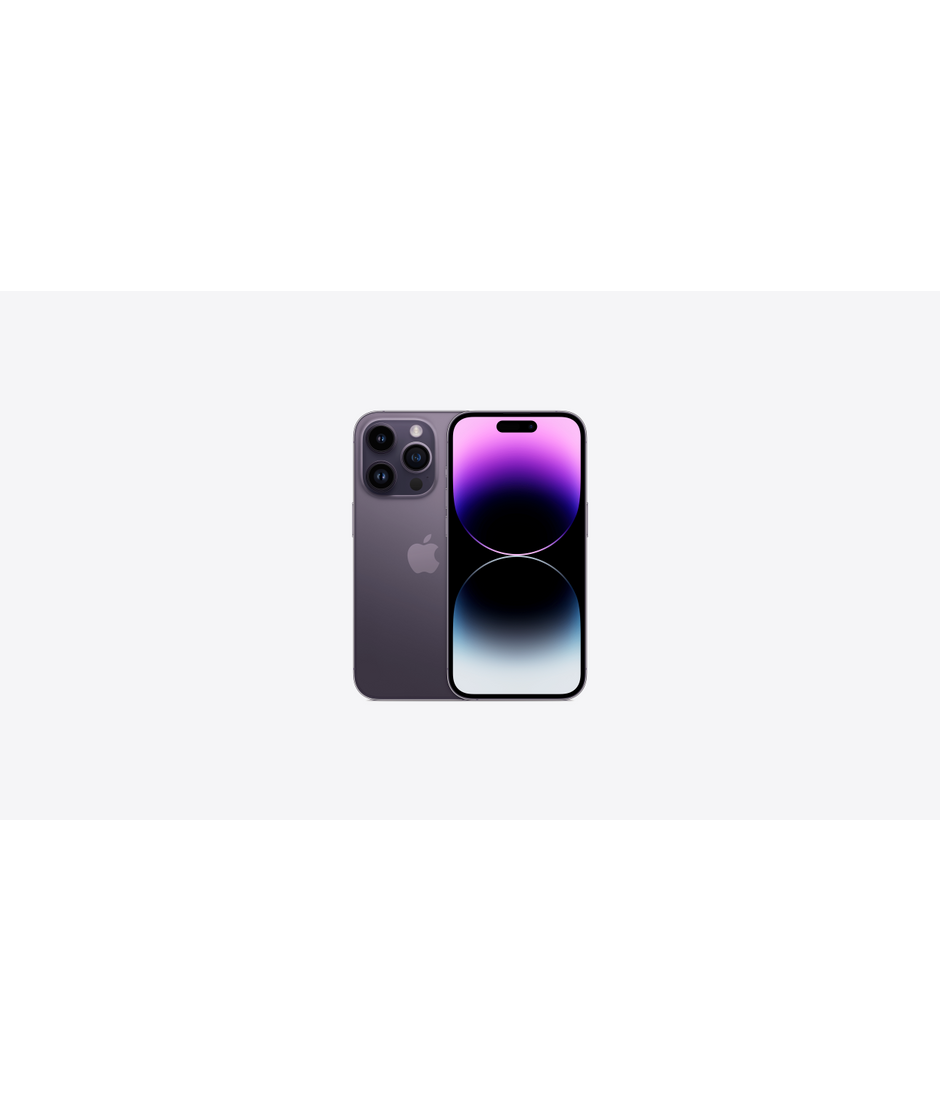
Apple iPhone 14 Pro vs Motorola Razr (2023)
The Verdict
Apple's iPhone 14 Pro delivers flagship performance with the superior A16 Bionic chip, exceptional 48MP main camera with 3x telephoto, and industry-leading 2000-nit display brightness. Its 6.1-inch Super Retina XDR OLED excels for content consumption, though the 3200mAh battery underwhelms. Motorola's Razr (2023) takes a boldly different approach as a foldable with a 6.9-inch main display, 144Hz refresh rate, and larger 3800mAh battery. However, its Snapdragon 7 Gen 1 trails Apple's performance, the 64MP camera lacks telephoto zoom, and the 1400-nit brightness proves dimmer. For productivity and reliability, the iPhone 14 Pro remains superior. For those prioritizing innovation and foldable form factor, the Razr offers unique appeal despite performance compromises. iPhone 14 Pro is the stronger all-around choice for most users.
Who Should Buy
Buy the Apple iPhone 14 Pro if…
- →Introduced the Dynamic Island cutout design
- →Massive 48 MP camera jump with ProRAW support
- →Always-on display first on iPhone
Buy the Motorola Razr (2023) if…
- →Most affordable clamshell foldable at $699 launch price
- →Stylish vegan leather finish and compact folded design
- →144Hz pOLED main display is smooth and vibrant
Category Scores
Pros & Cons
Apple iPhone 14 Pro
Pros
- Introduced the Dynamic Island cutout design
- Massive 48 MP camera jump with ProRAW support
- Always-on display first on iPhone
- ProMotion 120Hz adaptive refresh rate
- Compact Pro form factor easy to handle one-handed
Cons
- Still uses Lightning connector at $999
- Heavy stainless steel frame
- Charging speeds lag far behind Android rivals
- Smaller battery than Pro Max model
Motorola Razr (2023)
Pros
- Most affordable clamshell foldable at $699 launch price
- Stylish vegan leather finish and compact folded design
- 144Hz pOLED main display is smooth and vibrant
- 64 MP main camera produces good daylight photos
- Compact folded form factor fits easily in any pocket
Cons
- Very small 1.5-inch cover screen limits quick interactions
- Snapdragon 7 Gen 1 mid-range chip limits performance
- 3800 mAh battery barely gets through a full day
- IP52 water resistance is minimal for a $699 phone
- Only 5W wireless charging is essentially unusable
Full Specifications
| Spec | Apple iPhone 14 Pro | Motorola Razr (2023) |
|---|---|---|
| Software | iOS 16 | Android 13 |
| Body | ||
| Weight | 206 g | 188.6 g |
| Material | Stainless steel frame | Aluminum frame, vegan leather or glass back |
| IP rating | IP68 | IP52 |
| Dimensions | 147.5 x 71.5 x 7.85 mm | 170.8 x 73.9 x 7.2 mm (unfolded) |
| Camera | ||
| Main camera | 48 MP | 64 MP, f/1.7, PDAF, OIS |
| Front camera | 12 MP | 32 MP, f/2.4 |
| Video | 4K@60fps Dolby Vision | 4K@30fps |
| Telephoto | 12 MP 3x | — |
| Ultrawide | 12 MP | 13 MP, f/2.2 |
| Memory | ||
| RAM | 6 GB | 8 GB |
| Storage options | 128 GB, 256 GB, 512 GB, 1 TB | 128 GB, 256 GB |
| Battery | ||
| Capacity | 3200 mAh | 3800 mAh |
| Charging | 27W wired | 30W wired (TurboPower) |
| Wireless charging | 15W MagSafe | 5W wireless |
| Display | ||
| Size | 6.1 inches | 6.9 inches (main), 1.5 inches (cover) |
| Type | Super Retina XDR OLED, LTPO | pOLED, 144Hz main / OLED cover |
| Resolution | 2556 x 1179 | 2640 x 1080 (main) |
| Refresh rate | 120Hz | 144Hz |
| Brightness (nits) | 2000 | 1400 |
| Processor | ||
| CPU | Hexa-core | Octa-core (1x2.4 GHz + 3x2.36 GHz + 4x1.8 GHz) |
| GPU | Apple GPU (5-core) | Adreno 644 |
| Chipset | Apple A16 Bionic | Qualcomm Snapdragon 7 Gen 1 |
| Connectivity | ||
| 5G | ||
| NFC | ||
| USB | Lightning | USB-C 2.0 |
| Wi-Fi | Wi-Fi 6 | Wi-Fi 6E |
| Bluetooth | 5.3 | 5.3 |
Related Comparisons
This comparison is based on verified manufacturer specifications covering display, performance, camera, battery, and build quality. Scores are generated by analyzing specs across weighted categories on a 10-point scale. Learn more about our methodology.
Explore more in phones, see all Apple products or all Motorola products. View full details for the Apple iPhone 14 Pro or the Motorola Razr (2023).