Apple iPhone 11 Pro Max vs Nokia X30 5G
The Verdict
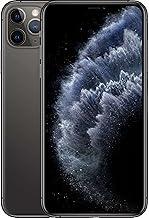
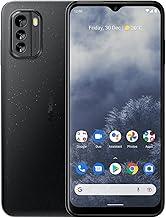
Apple's iPhone 11 Pro Max commands a premium price with its superior Super Retina XDR OLED display, exceptional 1200-nits brightness, and A13 Bionic processor delivering unmatched performance. Its triple camera system excels in optical zoom and low-light photography, though storage caps at 512GB. Nokia's X30 5G offers compelling value at less than half the price, featuring 5G connectivity, faster 90Hz refresh rate, and a 50MP main camera with ZEISS optics. It includes modern conveniences like USB-C and 33W charging that the aging iPhone lacks. Battery capacity slightly favors Nokia at 4200mAh versus 3969mAh. For professional photography and seamless iOS ecosystem integration, the iPhone 11 Pro Max justifies its investment. Budget-conscious users prioritizing 5G connectivity and contemporary specs should choose Nokia's X30 5G, which delivers flagship features at mid-range pricing.
Who Should Buy
Buy the Apple iPhone 11 Pro Max if…
- →Outstanding battery life — best iPhone at the time
- →Triple camera system with Night mode
- →Gorgeous Super Retina XDR OLED display
Buy the Nokia X30 5G if…
- →Three years of OS updates and three years of security patches
- →100% recycled materials in the frame and back for sustainability
- →ZEISS optics produce natural, sharp photos
Category Scores
Pros & Cons
Apple iPhone 11 Pro Max
Pros
- Outstanding battery life — best iPhone at the time
- Triple camera system with Night mode
- Gorgeous Super Retina XDR OLED display
- 18W fast charger included in the box
- Excellent build quality with matte glass back
Cons
- No 5G connectivity
- 60Hz display refresh rate
- Heavy at 226 g
- Wide notch design
- Lightning port instead of USB-C
Nokia X30 5G
Pros
- Three years of OS updates and three years of security patches
- 100% recycled materials in the frame and back for sustainability
- ZEISS optics produce natural, sharp photos
- IP67 water resistance and wireless charging at this tier
- Clean, near-stock Android experience
Cons
- Snapdragon 695 is underpowered compared to alternatives at $449
- 90Hz refresh rate instead of 120Hz competitors
- 4200 mAh battery is modest for 5G usage
- Limited availability in some markets
- Camera processing can be slow to capture and process shots
Full Specifications
| Spec | Apple iPhone 11 Pro Max | Nokia X30 5G |
|---|---|---|
| Software | iOS 13 | Android 12 |
| Body | ||
| Weight | 226 g | 185 g |
| Material | Stainless steel frame, textured matte glass | 100% recycled aluminum frame, recycled plastic back |
| IP rating | IP68 | IP67 |
| Dimensions | 158 x 77.8 x 8.1 mm | 158.9 x 73.9 x 7.99 mm |
| Camera | ||
| Main camera | 12 MP, f/1.8, OIS | 50 MP, f/1.8, OIS, ZEISS optics |
| Front camera | 12 MP TrueDepth, f/2.2 | 16 MP, f/2.4 |
| Video | 4K@60fps | 4K@30fps |
| Telephoto | 12 MP, f/2.0, 2x optical zoom | — |
| Ultrawide | 12 MP, f/2.4 | 13 MP, f/2.4 |
| Memory | ||
| RAM | 4 GB | 6 GB / 8 GB |
| Storage options | 64 GB, 256 GB, 512 GB | 128 GB, 256 GB |
| Battery | ||
| Capacity | 3969 mAh | 4200 mAh |
| Charging | 18W wired | 33W wired |
| Wireless charging | 7.5W Qi | 15W wireless |
| Display | ||
| Size | 6.5 inches | 6.43 inches |
| Type | Super Retina XDR OLED | AMOLED |
| Resolution | 2688 x 1242 | 2400 x 1080 |
| Refresh rate | 60Hz | 90Hz |
| Brightness (nits) | 1200 | 700 |
| Processor | ||
| CPU | Hexa-core (2x2.65 GHz + 4x1.8 GHz) | Octa-core (2x2.2 GHz + 6x1.7 GHz) |
| GPU | Apple GPU (4-core) | Adreno 619 |
| Chipset | Apple A13 Bionic | Qualcomm Snapdragon 695 |
| Connectivity | ||
| 5G | ||
| NFC | ||
| USB | Lightning | USB-C 2.0 |
| Wi-Fi | Wi-Fi 6 | Wi-Fi 5 |
| Bluetooth | 5.0 | 5.1 |
Related Comparisons
This comparison is based on verified manufacturer specifications covering display, performance, camera, battery, and build quality. Scores are generated by analyzing specs across weighted categories on a 10-point scale. Learn more about our methodology.
Explore more in phones, see all Apple products or all Nokia products. View full details for the Apple iPhone 11 Pro Max or the Nokia X30 5G.