Amazfit Balance vs Fitbit Versa 3
The Verdict
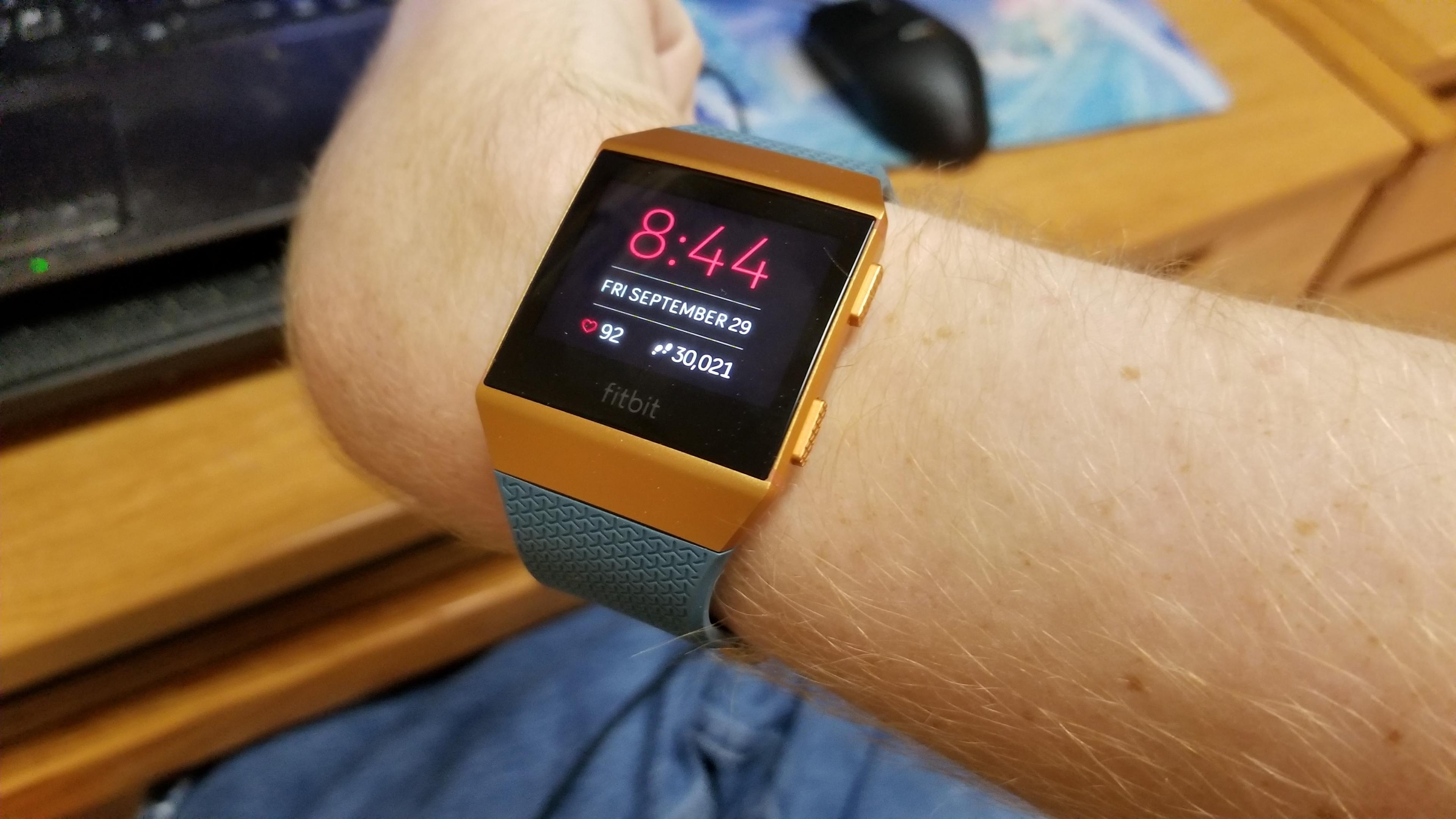
Amazfit Balance offers superior battery endurance at 14 days versus Fitbit Versa 3's 6+ days, a significant advantage for users who prefer less frequent charging. The Balance features a larger 46mm AMOLED display with 480x480 resolution compared to Versa 3's 40mm screen at 336x336 pixels, delivering crisper visuals and better readability. Amazfit includes skin temperature monitoring and weighs just 35g, making it lighter and more comfortable for all-day wear. Fitbit Versa 3 counters with NFC for contactless payments, which Amazfit lacks, and integrates deeper with Google's ecosystem following Fitbit's acquisition. Both watches provide essential health tracking: heart rate, SpO2, and sleep monitoring. Zepp OS 4 on the Balance feels more responsive with 32MB RAM versus Fitbit's custom processor, though Fitbit OS offers a more polished app ecosystem. At $199 versus $229, Amazfit Balance delivers better value with superior battery life and a larger display. Choose Amazfit Balance if battery longevity matters most. Pick Fitbit Versa 3 only if NFC payments are essential to your daily routine.
Who Should Buy
Buy the Amazfit Balance if…
- →14-day battery life is excellent for a full-featured smartwatch
- →AI-powered Readiness Score helps optimize training and recovery
- →Lightweight at 35 g — barely noticeable on the wrist
Buy the Fitbit Versa 3 if…
- →Built-in GPS is a major upgrade over Versa 2
- →6+ day battery easily lasts a full week for most users
- →AMOLED display is bright and crisp
Category Scores
Pros & Cons
Amazfit Balance
Pros
- 14-day battery life is excellent for a full-featured smartwatch
- AI-powered Readiness Score helps optimize training and recovery
- Lightweight at 35 g — barely noticeable on the wrist
- Skin temperature and SpO2 monitoring at $199
- 150+ sport modes with GPS tracking
Cons
- No ECG monitoring
- Zepp OS has limited third-party app ecosystem
- No NFC for contactless payments
- No cellular connectivity — phone required for notifications
Fitbit Versa 3
Pros
- Built-in GPS is a major upgrade over Versa 2
- 6+ day battery easily lasts a full week for most users
- AMOLED display is bright and crisp
- Google Assistant and Alexa voice assistant support
- Lightweight at 40 g — comfortable for sleep tracking
Cons
- Capacitive side button is imprecise and frustrating
- No ECG or EDA stress sensor — need Sense for those
- Fitbit OS has a very limited app store
- SpO2 tracking requires a specific watch face to display
Full Specifications
| Spec | Amazfit Balance | Fitbit Versa 3 |
|---|---|---|
| Software | Zepp OS 4 | Fitbit OS |
| Body | ||
| Weight | 35 g (without strap) | 40 g |
| Case material | Aluminum alloy | Aluminum |
| Water resistance | 5ATM | 5ATM |
| Health & Sensors | ||
| ECG | ||
| SpO₂ | ||
| Skin temperature | ||
| Heart rate | ||
| Sleep tracking | ||
| Battery | ||
| Battery life | Up to 14 days (typical usage) | Up to 6+ days |
| Display | ||
| Size | 46 mm (1.5 inches) | 40mm (1.58 inches) |
| Type | AMOLED | AMOLED |
| Always-on display | ||
| Resolution | 480 x 480 | 336 x 336 |
| Processor | ||
| RAM | 32 MB | — |
| Chipset | Huami proprietary | Fitbit custom processor |
| Connectivity | ||
| GPS | ||
| NFC | ||
| Wi-Fi | ||
| Cellular | ||
| Bluetooth | 5.2 | 5.0 |
Want to compare a third product?
Add another product for a 3-way comparison.
Related Comparisons
This comparison is based on verified manufacturer specifications covering display, performance, camera, battery, and build quality. Scores are generated by analyzing specs across weighted categories on a 10-point scale. Learn more about our methodology.
Explore more in smartwatches, see all Amazfit products or all Fitbit products. View full details for the Amazfit Balance or the Fitbit Versa 3.